



Dubai Move‑In in 2026: The Handover Checklist That Stops Utility and Visa Delays
A practical, friction-aware Dubai move-in plan for 2026: what to check at handover, how Ejari and DEWA actually get delayed, and what to prepare before you land so renting doesn’t block banking, visas, or school routines.
Use your browser search or scroll to sections below.
Evening, 6:40 pm. You’re in the lobby of a Dubai Marina tower with a trolley, two suitcases, and a printed tenancy contract. Security asks for the access card and the move‑in permit, the agent says the building manager has already left, and the landlord’s assistant is texting about a missing “No Objection” email.
This is the normal kind of friction that turns a simple rental handover into a chain reaction. Without a clean handover, you may not get Ejari registered. Without Ejari, you may struggle with utilities, address proof for bank KYC, and even the practical parts of residency processing that depend on having a stable local address.
What to prepare before you arrive (so you don’t renegotiate from a hotel)
Your pre‑arrival document pack for renting in Dubai
If you want to sign quickly and avoid repeated WhatsApp requests, build a single PDF folder you can share with agents and landlords. Some will accept less, but having more ready reduces back-and-forth and helps when a unit is competitive.
Expect variations by landlord type (individual owner vs corporate landlord) and building rules. The point is not to over-share publicly, but to be ready when someone asks the same question at 9:30 pm.
- Passport copy + visa page (or entry stamp) and a clear photo of your original passport
- Emirates ID (if you already have one) or your application/ICP reference (if applicable)
- Proof of employment or business: offer letter, salary certificate, trade license (if you have a company), or client contracts for self-employed
- Last 3–6 months bank statements (some landlords ask; many do not, but it can help)
- Local UAE phone number plan (even eSIM) to receive OTPs and coordinate access
- Preferred cheque schedule (1, 2, 4, 6, or 12 cheques) and your budget limits
Decision criteria: choose your rental setup based on how you’re relocating
People treat renting as separate from visas, banking, and family logistics. In reality, the type of lease you sign affects how quickly you can produce address proof and how stable your monthly outgoings are, which banks may ask about during KYC.
Use these criteria to decide, not the photos.
- If you need address proof fast for bank KYC: prioritize buildings with streamlined management and an agent who has done Ejari for non-residents before
- If you’re relocating with kids: prioritize commute reliability and bus routes over “close on the map”
- If you’re setting up a company: prioritize predictable documentation (clear landlord/owner details) because compliance teams may ask how you’re housed
- If you travel heavily and need flexibility: prioritize break clause terms and penalty clarity, not just headline rent
Trade-off: furnished short lets vs an annual tenancy contract
A short let (hotel apartment or monthly furnished) is often smoother for arrival, but it may not give you the same paperwork trail as an annual tenancy with Ejari. An annual contract is better for “settled” admin, but it’s slower and more sensitive to missing documents.
Pick based on what you must accomplish in the first 30–60 days.
- Short let fits: you haven’t finalized visa sponsorship yet, you’re viewing neighborhoods, you want flexibility, you can tolerate higher monthly cost
- Annual tenancy fits: you need Ejari-based address proof, you want to stabilize school commute, you want predictable terms and renewal options
- Common mismatch: signing annual too early without clarity on building move-in rules, then paying for delays while waiting for access/permits
From offer to signed contract: the clauses that decide your first month
Key contract points tenants skip (and regret at handover)
Dubai leases look simple until something goes wrong. Your agent may push for speed, but you should slow down on a few lines that control money and access.
Ask for these points in writing, not as voice notes.
- Move-in date vs contract start date (they should match, or the difference should be priced in)
- Inventory list for furnished units (include photos and serial numbers where possible)
- Maintenance responsibility threshold (what you pay vs landlord pays, and how requests are logged)
- Early termination terms and notice period (penalty amount, conditions, and process)
- Chiller/cooling charges clarity (included, separate provider, or building-specific)
- Parking allocation and access cards count (extra cards can be delayed and cost time)
Cheque schedule reality in 2026 (and what it signals)
Cheque count is still a negotiation lever. Fewer cheques can secure a better rent, but it increases liquidity pressure and sometimes makes banking feel urgent before you’re ready.
If you are new to the UAE and your bank account is not opened yet, be explicit about how you will provide cheques or alternative payment arrangements, because last-minute surprises are a common cause of deal collapse.
- 1–2 cheques: often preferred by landlords, sometimes discounts rent, higher upfront cash planning
- 4–6 cheques: common compromise, still requires planning for cheque book timing
- 12 cheques: not universal, more likely with larger landlords or specific buildings
- Failure point: assuming you can get a cheque book immediately after account opening
Handover day: a practical checklist that prevents disputes
Your 45-minute inspection routine (take photos like you’re moving out)
Handover disputes in Dubai are usually not dramatic. They’re small: paint marks, cabinet doors, AC issues, missing remotes, and water heater problems that appear after day three.
Do a quick but structured inspection while you still have leverage, and log everything in one message thread with timestamped photos.
- Record meter readings if accessible (electricity/water; some are digital/central)
- Test AC in each room for 10 minutes, check for unusual noise or weak airflow
- Run taps and check for slow drains and water pressure
- Check water heater operation and any leak under sinks
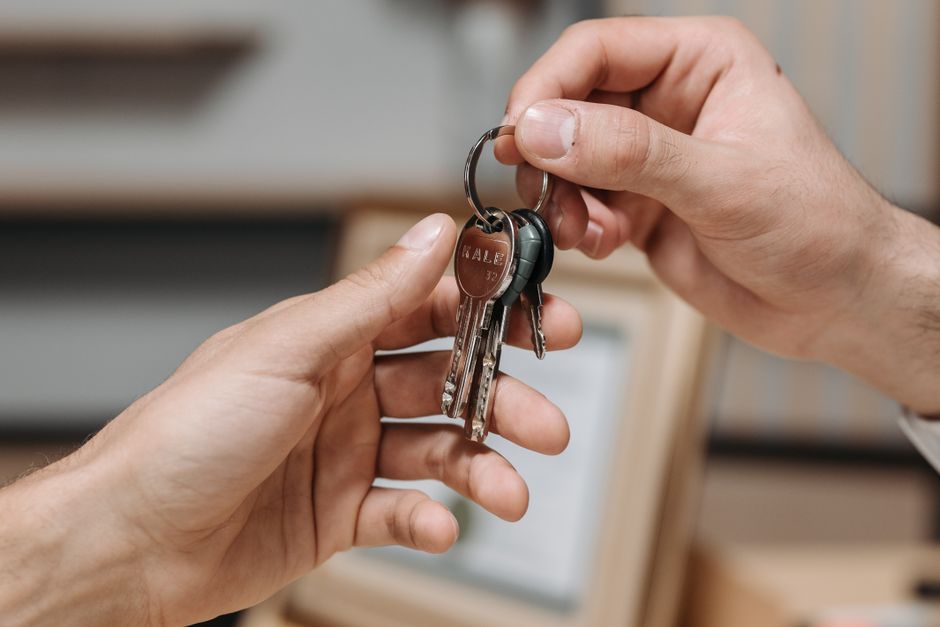
- Confirm all keys, access cards, parking remote, and mailbox key (if applicable)
- Photograph walls, floors, appliances, and any existing damage close-up and wide
Building management requirements that block move-in
Many buildings require a move‑in permit, service elevator booking, and sometimes a refundable deposit for moving. If you arrive with movers and don’t have approvals, security can simply refuse access.
Ask your agent for the building’s moving policy before you sign, not after you’ve paid.
- Move-in permit application steps and lead time
- Service elevator booking window and allowed hours
- Moving company restrictions or required insurance
- Deposit amount and refund timeline (varies by building)
- Rules on bringing furniture, drilling, and balcony use
Mini-case: how a missing owner detail delayed everything
A couple signed a lease and got keys the same day, but the owner’s name on the tenancy contract didn’t match the title deed copy shared by the agent. Ejari registration was rejected, so they couldn’t produce address proof for a bank compliance review and ended up using a short-let address for two weeks while the agent reissued documents.
Nothing was “wrong” with the apartment. The paperwork chain was inconsistent, and that is what created the delay.
- Lesson: check owner/landlord identity fields before you pay the full amount
- Keep: title deed copy and landlord Emirates ID copy (as provided) aligned with the contract details
Ejari and DEWA: the sequence that affects banking and residency admin
Ejari first: why it matters beyond “compliance”
Ejari is more than a formality. It’s the rental registration record that many processes treat as your anchor document for address proof in Dubai. If you are pursuing residency via an employer, business setup, or another route, having stable proof of address reduces friction when different entities ask for consistent details.
If you want a broader view of residency routes and how housing ties into them, see https://svan.ae/en/visas.
- Prepare: signed tenancy contract, landlord details, tenant passport/ID, and any building/unit identifiers
- Check: spelling of your name and passport number consistency across all docs
- Plan: who submits (agent, landlord, or you) and who pays the registration-related charges
DEWA setup: common bottlenecks and how to avoid them
Utilities can be straightforward or surprisingly slow if the previous tenant didn’t close their account cleanly or if your contract details don’t match the unit records. Budget for the possibility that you’ll need one extra call or an additional document.
This is where many new arrivals realize that “I have keys” is not the same as “I can actually live here tonight.”
- Confirm whether electricity/water is already disconnected or still active under a previous account
- Ask for the premises number and any reference numbers used by the building
- Expect a security deposit; exact amounts vary by unit type and policies
- Failure point: incorrect unit number format between contract and system records
- Failure point: assuming the agent will handle it without written confirmation
How housing paperwork shows up in bank KYC and tax questions
Banks can ask for proof of address, source of funds, and consistency between your stated residence and your activity. A clean Ejari and utility setup helps, but it won’t replace other KYC requirements. If you’re opening a company, bank teams may also ask how your personal and business arrangements connect, especially in the first months.
If your relocation is also tied to tax residency planning, keep your housing evidence tidy from day one. It is much easier to build a coherent file than to recreate it later. For deeper guidance, see https://svan.ae/en/tax and https://svan.ae/en/company.
- Keep: Ejari certificate, DEWA account confirmation, and rent payment evidence in one folder
- Align: your address formatting across bank forms, visa files, and any school registrations
- Avoid: using multiple different “temporary addresses” in official forms unless necessary
Common failure points (and what to do when you hit one)
The top reasons Dubai move-ins get delayed
Most move-in delays are not caused by one big problem. They’re caused by missing one small prerequisite that someone assumed another party had handled.
Use this list as a pre-flight check before you schedule movers or cancel your temporary accommodation.
- Building move-in permit not applied for, or approved only during business hours
- Owner/landlord details inconsistent across contract and supporting documents, causing Ejari rejection
- Missing access cards, parking remote, or service elevator booking
- Unclear maintenance responsibility leading to disputes about AC or appliances before day one
- DEWA account still open under previous tenant or contract/unit mismatch in system
- Cheque book or payment method not ready when landlord requests it
A simple escalation path that stays polite and effective
When something stalls, the goal is to reduce interpretation. Put the issue, the requested action, and the deadline in writing. If you keep it factual, people respond faster and you preserve goodwill for renewals and maintenance requests.
If you’re relocating with children and school start dates are fixed, consider keeping a short-let buffer even after you sign. School routines and housing admin rarely line up perfectly. For family logistics context, see https://svan.ae/en/family.
- Step 1: one message with 3 items: problem, document needed, when you need it
- Step 2: request the building policy in PDF or screenshot (not verbal summary)
- Step 3: if unresolved, ask for the landlord/management email and copy the agent
- Step 4: document all promises and keep receipts/screenshots in your rental folder
Next steps
- Build a single shareable “rental pack” PDF folder before you fly (IDs, employment/company proofs, and payment plan).
- Ask the agent for the building’s move-in permit rules and DEWA/Ejari responsibility in writing before you pay.
- On handover day, do a structured photo inspection and confirm all access items before you release the final payments.
FAQ
Can I register Ejari if I’m still on a tourist entry stamp?
Sometimes yes, depending on the emirate/process and whether the system accepts your identification details, but it is not guaranteed. In practice, many tenants register Ejari after they have clearer residency paperwork to avoid rework. If you need address proof quickly for banking or school, ask the agent upfront what identification the Ejari submission will use and what happens if it is rejected.
What’s the most common reason Ejari gets rejected?
Mismatch in details across documents: landlord name, property identifiers, tenant name spelling, passport number formatting, or missing required attachments. The fix is usually simple, but it can take days because you need the right party to reissue or resend documents in the exact format the system accepts.
Do I need a UAE bank account before I can rent a place in Dubai?
Not always, but it depends on the landlord’s payment expectations. Many landlords still expect post-dated cheques, which are easier once you have a UAE account and cheque book. If you don’t have an account yet, negotiate a realistic payment plan in writing before you sign, and avoid committing to a cheque schedule you cannot execute.
How long does DEWA activation take after I sign the lease?
It can be quick when records are clean, but delays happen when the previous tenant hasn’t closed their account properly or when unit details don’t match. Timing also depends on whether you have the right premises references and whether any deposits need to be processed. Plan for variability and avoid scheduling movers for the same day you expect first-time activation.
If my visa is handled by my employer or my company, does my rental address matter?
Yes, because multiple processes may ask for address consistency over time: bank KYC, school registrations, and general proof-of-residence questions. Even when a visa process does not require Ejari directly, having a stable registered tenancy reduces friction when different departments or service providers ask for the same information. The practical goal is a single, repeatable address trail you can evidence.
What should I do if the building won’t allow move-in outside office hours?
Treat it as a scheduling constraint, not an argument. Ask for the building’s moving policy and book the permit and service elevator slot in advance. If you’re arriving late, keep one night of temporary accommodation and schedule key collection and move-in during the approved window, otherwise you risk paying movers to wait while security refuses access.
Does a short-let apartment work as proof of address for banks or official processes?
Sometimes it helps as a practical contact address, but it may not replace what a bank or compliance team considers strong address proof. Policies vary by bank and by your profile. If you’re using a short let, keep invoices and payment receipts and be prepared to provide additional documents until you have an Ejari-based tenancy.
Photo credit: Pexels — Pavel Danilyuk
This article is general information for UAE relocation planning and does not constitute legal, tax, or immigration advice. Processes and document requirements can change and may differ by emirate, building, landlord, and your personal circumstances.