



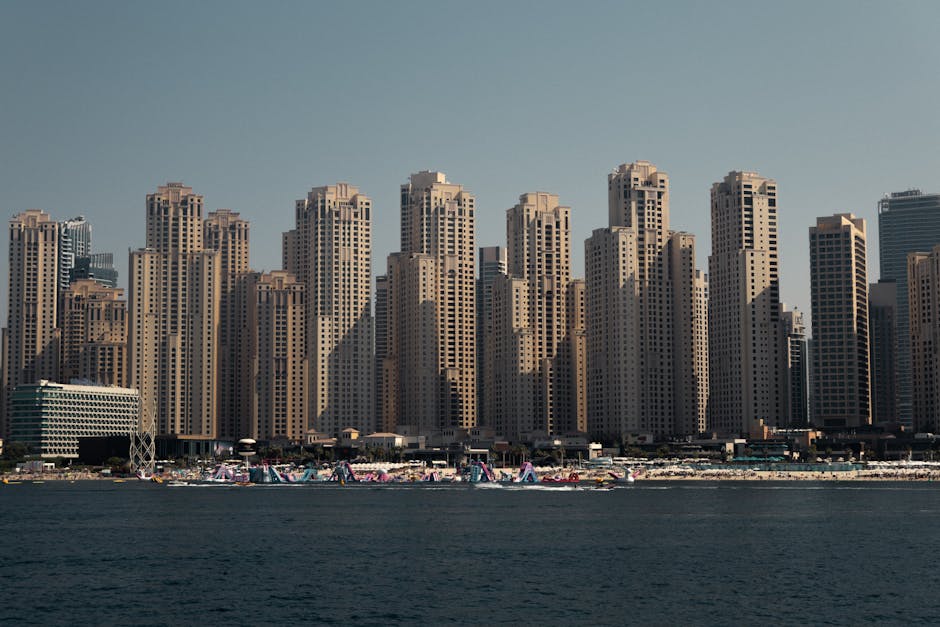
Dubai Residence Visa in 2026: A Route Check Before You Book Flights
A practical way to choose a UAE residence visa route in 2026, with the documents that actually block progress, where timelines slip, and how housing, family sponsorship, and tax proof tie in.
Use your browser search or scroll to sections below.
09:10, a Tuesday: you’re at an Amer counter in Al Barsha with a paper file folder. The agent points at one line on the application and asks for your “attested degree” and a clearer passport scan because the MRZ didn’t read.
By 09:25 you’ve learned the real rule of Dubai relocation: the visa route is rarely the hard part. It’s the chain reaction between your entry status, medical and biometrics slots, document attestations, housing proof, bank compliance, and family timing.
Pick the visa route by what you can prove, not what sounds easiest
A quick trade-off: employment vs self-sponsored vs long-term options
Most people decide based on headline eligibility, then lose weeks because they can’t produce the proof the route expects. A better filter is: who is your sponsor, what documents can you produce now, and what does the bank or landlord need from you in the first 30 days.
Here’s a practical A vs B comparison that matches real friction:
- Employment visa (company-sponsored): fits salaried hires who need speed and are fine with HR/pro handling steps; trade-off is dependency on employer timelines, internal approvals, and cancellation rules when switching jobs.
- Company owner / partner visa (via company setup): fits founders who need control; trade-off is upfront company documentation, licensing steps, and later bank KYC requests tied to your business activity.
- Remote/self-sponsored style routes: fit people paid from abroad who can document income and employment; trade-off is heavier document verification and sometimes more questions from banks and landlords about “local proof.”
- Long-term options (e.g., qualifying investors/talent): fit those with strong eligibility and clean documentation; trade-off is longer prep time, more attestations, and stricter evidence standards.
Decision criteria that prevents rework
Use criteria that reflects the first bottlenecks: medical/biometrics appointments, document legalization, and what you must show to rent a place or sponsor family.
If two routes both “work,” choose the one that reduces the number of third parties you depend on during the first month.
- Sponsor control: can you move the process forward without waiting on HR or a pro services queue
- Document readiness: can you produce legalized/attested documents (or do you have time to get them done)
- Housing dependency: will you need an Ejari quickly (some landlords want Emirates ID; some processes move faster if you already have a tenancy contract)
- Family timing: do you need spouse/children in school by a fixed date and therefore need Emirates ID earlier
- Bank and payments: will your income land in a UAE bank soon, and can you justify source of funds during KYC
What to prepare before you arrive (the block-and-tackle list)
Core documents that get rejected when they look “almost right”
In 2026, many delays are not about missing documents, but about documents that fail formatting, translation, or attestation expectations at the moment they’re needed. Fixing them in the UAE is possible, but it adds days and extra appointments.
Prepare a digital folder plus printed copies. Assume someone will ask for a clearer scan at the worst time.
- Passport: clear scan + original; check signature page, validity, and that the MRZ scans cleanly
- Passport photos: UAE-spec photos; bring extras for medical, Emirates ID, and various forms
- Entry status plan: confirm how you will enter (visa on arrival, pre-arranged entry permit, change status in-country) and keep proof of entry
- Education/profession proof if relevant: degree or professional certificate, plus attestations if your route or job title requires it
- Marriage and birth certificates for dependents: legalised/attested as required for sponsorship and school admissions
- If names differ across documents: prepare an affidavit or supporting proof before travel
Mini-case: the attestation gap that stalled a family move
A couple arrived with their child on visit status expecting to convert to residence in two weeks. The spouse’s name was spelled slightly differently on the marriage certificate versus the passport, and the certificate hadn’t been legalised.
Their own residence visa progressed, but family sponsorship paused until the document chain was corrected, which pushed school registration and forced a short-term apartment extension.
Common failure points you can prevent from abroad
These are the issues that repeatedly create back-and-forth with typing centers, Amer, ICP, HR, and sometimes landlords.
If you solve even two of them before flying, your timeline becomes much more predictable.
- Unattested marriage/birth documents when planning dependent visas
- Low-quality scans (cut edges, glare, missing reverse side, non-readable MRZ)
- No plan for address/housing proof when an application step asks for it
- Assuming a job title can be used without the supporting degree or equivalency
- Entering on a status that makes later steps more complicated or time-sensitive
The first-month sequence: where timelines slip in real life
A realistic flow: entry permit, medical, biometrics, Emirates ID
Most routes converge on the same operational steps. What changes is who initiates them and how quickly you can correct errors.
Expect appointment availability to vary by emirate and season. Build slack into your schedule, especially if you must travel again quickly.
- Confirm entry status and keep entry record details handy
- Medical fitness test booking and visit (timing varies; results can take longer during peak periods)
- Biometrics appointment (Emirates ID) and confirmation
- Residency stamping/issuance steps depending on current process requirements
- Emirates ID delivery address and phone number verification
Housing and visas: the chicken-and-egg problem (and how to handle it)
Housing rarely sits in the “visas” bucket, but it can slow you down. Landlords may want Emirates ID; some service providers may want Ejari; and you may need a stable address for deliveries and registrations.
Two practical approaches work, each with trade-offs:
- Short-term first, then long-term lease: fits people still waiting on Emirates ID or choosing a neighborhood; trade-off is higher monthly cost and more moves.
- Long-term lease early: fits people who already know where they want to live and can produce required cheques/deposit; trade-off is negotiating around Emirates ID timing and ensuring the tenancy/Ejari details match your documents.
Bank KYC friction you should plan for
Many relocations hit a silent wall at the bank branch. Even after you have a residence visa in progress or completed, the account opening and ongoing compliance questions can add weeks, especially for founders and people paid from abroad.
This matters because salary payments, rent cheques, and utility setup often depend on having banking sorted.
- Be ready to explain source of funds and provide supporting documents (employment contract, invoices, payslips, company documents)
- Expect requests for proof of address and phone number consistency
- If you are a founder, prepare a clear business activity explanation that matches your license and expected transactions
Family sponsorship: plan around school dates and document chains
Dependent visas: what tends to slow approvals
Family sponsorship looks straightforward until you mix fixed deadlines (school admissions, tenancy start dates, travel plans) with document legalisation and translation requirements.
If your spouse or children will arrive later, decide early whether you will sponsor them immediately or after you stabilise housing and banking.
- Marriage and birth certificates not legalised/attested in the expected chain
- Children’s documents not matching passport names (middle names, hyphens, transliteration differences)
- Missing sponsor documents at the moment of application (salary proof, accommodation proof, Emirates ID copy)
- Assuming school enrollment can proceed without Emirates ID or visa status clarity
Checklist: align visas with school and housing
Avoid doing these in the wrong order. The goal is not the fastest possible visa, but the fewest expensive pivots.
This checklist works well for families moving on a deadline.
- Collect and legalise family documents before travel
- Confirm what the school will accept temporarily (passport, entry stamp, application proof) versus what they require later (Emirates ID, residence visa)
- Decide on interim housing that the family can live in without disruption if timelines slip
- Keep a shared document folder for both parents and children, with consistent spellings and clear scans
Don’t ignore tax residency proof and cancellation mechanics
Tax residency proof starts on day one
Even if your main goal is “get the visa,” many people relocate because they need credible tax residency positioning. The evidence trail starts with entry/exit records, tenancy/Ejari, and day-count planning, not at the moment you apply for a certificate.
If you may need a UAE tax residency certificate later, treat your housing contract, address consistency, and banking activity as part of the same file.
- Track travel days and keep entry/exit evidence
- Make sure your tenancy/Ejari and Emirates ID details match your passport spelling
- Keep bank statements and employment/contract documentation organized for future proof requests
Cancellations, switching jobs, and the hidden timing risk
People underestimate how much time can be lost during cancellation and status changes, especially when an employer, a free zone, and a new sponsor each has their own process steps.
If you might change jobs or restructure a company in the first year, ask about cancellation steps before you commit to a route.
- Confirm who controls cancellation (employer, free zone authority, PRO) and typical lead times
- Avoid letting dependent visas drift without clarity during sponsor transitions
- If you have a lease renewal coming up, don’t assume your residency status will remain unchanged during the switch
Next steps
- Pick two viable visa routes and list the exact documents each route will require from you, then choose the one with the fewest weak links.
- Build a pre-arrival folder: legalised family documents, clean passport scans, photos, and a one-page bank KYC pack (income/source of funds).
- Map your first 30 days around fixed constraints: school dates, lease start, planned travel, and likely appointment lead times.
FAQ
Can I start renting an apartment before I have an Emirates ID?
Sometimes, yes, but it depends on the landlord and the building’s process. Many landlords will proceed with a passport and entry status plus a security deposit, while others insist on Emirates ID for the tenancy contract and Ejari. If your timeline is tight, plan a short-term stay first or negotiate a clause that allows you to finalize Ejari once your Emirates ID is issued.
What documents most commonly block family sponsorship?
Marriage and birth certificates that are not legalised/attested in the required chain, and name mismatches between certificates and passports. These issues are common because the documents look “official” but still fail the local verification expectations. Fixing them after arrival is possible, but it usually adds appointments and waiting time that can collide with school or lease deadlines.
How long does the medical and Emirates ID biometrics step take in practice?
It varies by emirate, season, and appointment availability. Some people complete medical and biometrics within days; others wait longer due to booking slots, missing documents, or needing to redo a scan. The best way to reduce delays is to pre-check document quality, keep your phone number active for confirmations, and avoid last-minute travel during the processing window.
I’m a founder. Will a residence visa guarantee I can open a bank account?
No. A residence visa helps, but banks still run KYC and may ask for source of funds, client/invoice evidence, and a clear explanation of your business activity. Timelines can be quick or can stretch if the bank needs additional documents. Prepare a simple pack: license, shareholder documents, a short business description, and proof of income or contracts where possible.
Do I need an attested degree for a Dubai residence visa?
Not for every route, but certain job titles and some processes can trigger a request for an attested degree or professional certificate. This often appears late, when you think you are already “almost done.” If your role is regulated or qualification-linked, start the attestation process early so you are not stuck waiting while other steps expire or need rebooking.
If I switch jobs, what happens to my spouse and kids’ visas?
It depends on who the sponsor is and how the cancellation and transfer steps are handled. A sponsor change can create a timing gap where dependent visas need coordination so they don’t end up out of sync. Before resigning, confirm the cancellation sequence and whether you should delay dependent applications until your own status is stable under the new sponsor.
When should I start thinking about UAE tax residency proof if I’m moving in 2026?
Start immediately. Even if you apply for any certificate later, you’ll rely on evidence like entry/exit history, housing proof (tenancy/Ejari), and consistent identity/address details. Treat it like a file you build from day one, especially if your home country will ask questions about the timing and substance of your move.
Photo credit: Pexels — Anton Massalov
This article is general information, not legal or immigration advice. Requirements, processes, and timelines can change by emirate, authority, personal circumstances, and document history. Confirm the latest rules and required attestations for your specific case before applying.