



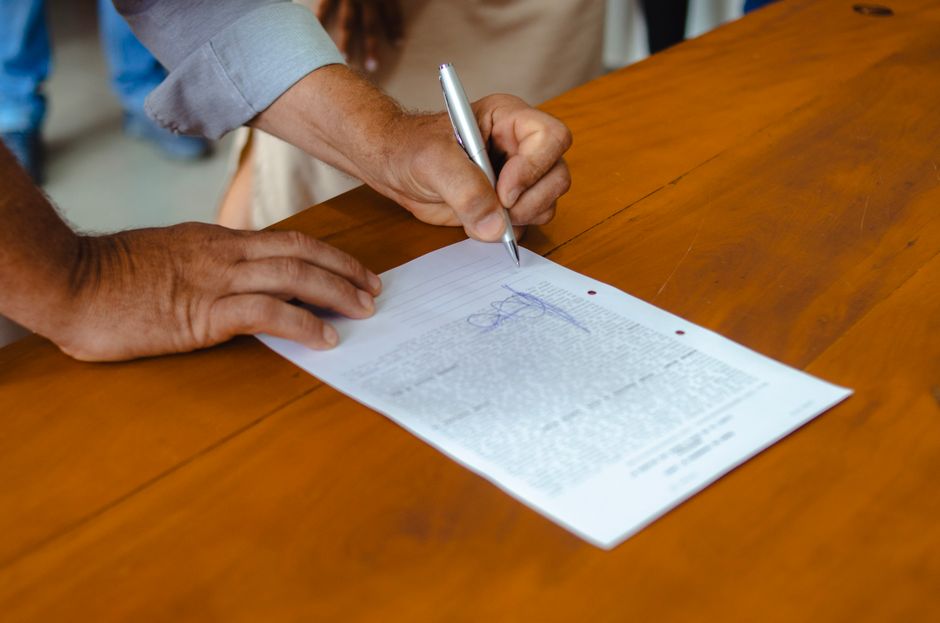
Moving Your Family to Dubai for Tax: The “Two-Country Ties” Checklist
If your family relocates to Dubai but keeps too many practical ties back home, “no tax” assumptions can unravel fast. This guide shows what to set up in the UAE, what to unwind abroad, and how to build a proof file that matches normal family life.
Use your browser search or scroll to sections below.
09:10, Monday: you’re on a call with your home-country accountant while your spouse is emailing a Dubai school about a seat that might disappear this week. 14:30: a landlord’s agent asks for “salary certificate or bank statement” even though your UAE bank account is still “under compliance review.” 20:45: you realize the visa is approved for you, but the dependents’ applications need an attested marriage certificate you left in a folder back home. This is what “moving for tax” looks like in real life: it’s a chain of small admin steps across visas, housing, schooling, banking, and day-to-day presence. Tax outcomes often hinge less on slogans and more on whether your facts, documents, and routine show a genuine shift of ties to the UAE. Below is a friction-ready checklist for families relocating to Dubai while trying to reduce cross-border tax risk. It focuses on the evidence you can build without turning your life into a paperwork project.
Start with the uncomfortable question: where are your real ties?
Day counts are not the whole story (especially for families)
Many families over-index on flight logs and under-index on the basics: where the household actually lives, where the kids go to school, where the spouse spends time, where medical care happens, and where money flows. If you keep a “full family life” abroad and only one person cycles through Dubai, you can end up with a weak narrative when your home country asks why you should be treated as having left.
- Ask yourself: if a stranger read your last 12 months of bills, school emails, and tenancy documents, would they conclude you live in the UAE?
- Treat your spouse and children as part of the evidence set, not an afterthought
- Keep a simple presence log (entries/exits) but build supporting proof around it
Two-country life is possible, but it needs clean lines
A split routine can be legitimate, but it becomes risky when it looks like you never really left the old base. The problem is rarely one document; it’s the overall picture: an available home abroad, active local memberships, ongoing day-to-day spending, and short UAE stays. Your goal is not to “perform residency.” Your goal is to align normal decisions with your stated position.
- Decide which home is your primary base and make the other clearly secondary
- Avoid keeping an always-available family home abroad if you claim the UAE is now home
- Move recurring life admin (schooling, healthcare, utilities, main banking) to the UAE where feasible
Mini-case: the family that moved, but didn’t really move
A couple relocated on paper: UAE visas, a one-bedroom lease, and a few short trips. The children stayed in their old school, the family home abroad remained fully available, and most spending continued on local cards there. When asked to explain the change, they could show visas but struggled to show day-to-day life in Dubai. The result was months of professional fees and a forced rethink of the plan mid-year.
Build the UAE footprint that holds up under boring scrutiny
Housing proof: Ejari, utilities, and a lease that matches your life
For families, housing evidence often becomes the anchor document. In Dubai, that typically means a signed tenancy contract and Ejari registration, plus utilities in your name. Short-term accommodation can work for landing, but it is weak as a long-term “center of life” signal. Expect friction: landlords may want multiple cheques, a refundable deposit, and sometimes proof of income. If you are new and self-employed, you may need to negotiate harder or pay more upfront.
- Aim for a lease length that matches your claimed move (often 12 months rather than 1–3 months)
- Keep: tenancy contract, Ejari certificate, DEWA activation, move-in inspection/handover emails
- Match the property size to your household where possible (a studio for a family raises questions)
- Read renewal and early-termination clauses before signing
Banking and KYC: plan for delays and repetitive questions
New residents are often surprised that opening a UAE bank account can take longer than the visa itself. Compliance checks can involve source of funds, employment or company documents, and explanations for international income. Treat KYC as a document project: keep your story consistent across bank, landlord, and visa paperwork. If your income comes via a foreign company or dividends, expect more questions than a salaried employee would.
- Prepare a source-of-funds summary you can reuse (1–2 pages, plain language)
- Keep supporting documents: contracts, invoices, payslips, dividend statements, company ownership proof
- Expect follow-ups and do not close your home banking too early
- Use the same spelling and format of names across documents to avoid rework
Family signals: school, healthcare, and daily admin in the UAE
For families, schools and routine are powerful evidence because they are hard to fake over time. Even if you are not ready for a full school year, build tangible UAE-based routine: clinic registrations, insurance, extracurriculars, and local service accounts. This is where the secondary categories matter in practice: visas determine who can be here, housing determines where you can register services, and family choices determine whether the move looks real.
- Keep school documentation: admission letters, invoices, attendance communications
- Arrange UAE health insurance and keep policy schedules and payment proof
- Set up local services tied to your address where possible (telecom, utilities, deliveries)
- Keep evidence of family time in the UAE that is not just tourist activity
What to prepare before you arrive (so you don’t stall on day 10)
Document pack to bring, attested where needed
A lot of relocation timelines blow up on one missing paper document. Dependents, schools, and some bank processes may require attested or legalized documents, and obtaining them after you’ve landed can mean courier loops and weeks of delay. Bring originals, bring spare passport photos, and keep scanned copies in a secure folder you can share quickly.
- Passports with sufficient validity and clear scans of all pages used
- Marriage certificate and children’s birth certificates (often needing attestation for dependent visas and schools)
- Proof of address from your previous country (some banks ask for it during onboarding)
- Employment contract or company documents if self-employed (license, shareholder docs, basic financials)
- School records and vaccination records if you have children
Decide your visa route before you book a long lease
Families sometimes sign a lease assuming a visa will be quick, then hit medical, biometrics, or sponsor-document delays. Your visa route also affects the practicalities: who can sponsor dependents, the timing of Emirates ID, and how soon you can sign certain contracts. If you are setting up a company to sponsor yourself, build in time for licensing, establishment card/pro processes, and banking knock-on effects.
- Employment visa: often simplest for banking and landlord conversations if you have a solid employer
- Company/partner visa: flexible, but documentation and banking can be heavier
- Golden Visa: longer horizon, but eligibility and documentation can still take time
- Dependent visas: sequence depends on sponsor’s Emirates ID and salary/eligibility requirements
Trade-off: rent first vs visa first (who each fits)
Rent first can help you look settled and can unlock practical steps like school proximity and utilities, but it can expose you if your visa timeline slips and you need to renegotiate move-in or payments. Visa first reduces the risk of being stuck with a lease you cannot fully use, but it can slow your ability to prove housing-based ties early in the move.
- Rent first fits: you have a stable sponsor route, cash buffer for deposits/cheques, and you need a fixed address for family logistics
- Visa first fits: your sponsor route is uncertain, you are still choosing neighborhoods, or you expect document attestation delays
- Hybrid approach: serviced apartment for 4–8 weeks while visa and bank onboarding settle, then sign a 12-month lease
Common failure points that trigger rework (and how to avoid them)
The “paper residency” pattern that raises questions
The pattern is familiar: a UAE visa exists, but everything else is still anchored abroad. The family home abroad remains fully active, children stay enrolled there, and the UAE is used mainly for short stays. Even if you meet a day-count target, the surrounding facts can invite scrutiny, especially when income remains foreign and the family’s routine does not shift.
- Family home abroad kept available year-round with normal utility usage
- Kids remain in old school with full-year attendance
- Most spending continues on foreign cards tied to the old base
- No meaningful UAE housing proof beyond hotels or short lets
Mismatch between your story and your documents
Banks, landlords, visa applications, and later tax reviews all compare notes in their own way. If you tell the bank you are salaried but show inconsistent company income, or you tell a landlord you are employed but cannot provide basic proof, you create avoidable friction. Standardize your narrative and keep one folder of the same core documents you reuse across processes.
- Use consistent job title, employer/company name, and income description everywhere
- Keep a single “master” spelling for names (watch middle names and transliteration)
- Do not over-promise timelines to schools or landlords before your visa/ID is in hand
Not planning the “exit admin” in the old country
Relocation is not only an arrival plan. If you keep too many active ties abroad, you may undermine your own position. What “exit” means varies by country, but families often forget the basics: memberships, local doctors, local insurance, registrations, and the practical availability of a home. Treat this as a controlled checklist, not a dramatic cutoff. Some ties can remain, but you should know which ones are hard to justify.
- Decide what happens to the old home: sell, rent out, or make it clearly non-primary
- Update addresses with financial institutions where appropriate
- Review local health coverage and school arrangements in the old country
- Keep a record of key change dates (move-out, lease start, school start, insurance start)
Maintain a simple proof file without living in spreadsheets
Your monthly “residency folder” (15 minutes, once a month)
Instead of trying to reconstruct your life at year-end, keep a light monthly routine. Save a few documents that naturally arise from living in Dubai. Over time, this becomes a coherent record that supports both bank KYC refreshes and any questions from a previous tax authority. If you later need formal proof for administrative purposes, having this file reduces stress and professional fees.
- Lease/Ejari and any renewal correspondence
- Utility bills and key receipts (telecom, DEWA)
- School invoices/attendance communications (if applicable)
- Local bank statements showing day-to-day spending
- Entry/exit summary or boarding passes in a single place
When company setup is part of the plan, show real activity
If you set up a UAE company as part of your relocation, assume banks and counterparties will look for operational substance. That does not mean you need a huge office, but it does mean you should be able to explain what the business does, who it serves, and how money moves. This is where the company and tax categories collide: a structure that looks fine on paper can still struggle with banking and ongoing compliance if it does not match real operations.
- Keep signed client agreements and a simple invoicing trail
- Maintain bookkeeping that matches bank flows (not just annual summaries)
- Be ready to explain cross-border payments and counterparties
- Avoid mixing personal and business expenses where possible
Next steps
- Write a one-page “ties map” showing what will move to the UAE and what will be reduced abroad.
- Build your pre-arrival document pack (attested civil documents, school records, KYC summary).
- Pick a realistic sequence for visa, housing (Ejari), and banking, then schedule the first 60 days.
FAQ
Is having a UAE residence visa enough to claim I’m not tax resident elsewhere?
A visa helps, but on its own it usually does not settle the question in practice. Many countries look at the overall picture: where you have a home available, where your family lives, where you work, and what day-to-day life looks like. Treat the visa as one piece of the file, not the conclusion.
What documents do families most often forget for dependent visas and schools?
Marriage certificates and children’s birth certificates are the common ones, especially when attestation or legalization is required. Families also get caught without vaccination records, prior school records, or properly scanned passport pages. If you prepare these before travel, you avoid courier loops and weeks of delay.
We’re moving for tax, but the kids will finish the school year back home. Is that a problem?
It can be, depending on timing and how the rest of your ties look. If children remain in full-time schooling abroad while the UAE is only used for short stays, it can weaken the claim that the family’s center of life has moved. If this is unavoidable, document the transition plan clearly and strengthen the UAE footprint through housing, local routine, and consistent presence.
Why is opening a UAE bank account taking so long, even with Emirates ID?
Delays are often compliance-related: source of funds, international income, ownership structures, or incomplete documentation. Banks may also request additional proof after the initial submission, and different branches can interpret requirements differently. The practical fix is a clear KYC pack and consistency across your story, documents, and transaction patterns.
Should we sign a 12-month lease immediately to prove we live in Dubai?
A longer lease and Ejari can be strong evidence, but signing too early can backfire if your visa, Emirates ID, or bank onboarding slips and you cannot complete move-in logistics smoothly. Many families use a short serviced stay first, then sign a 12-month lease once the sponsor route and document chain are stable.
Do we need to cancel everything in our old country to make the move ‘stick’?
Not necessarily, and in many cases you cannot or should not cancel everything overnight. The key is to reduce and clearly reclassify ties so your old base looks secondary rather than still primary. Focus on the big signals first: availability of a home, where the family spends time, and where the routine admin happens.
If we set up a UAE company, will that automatically solve tax residency issues?
No. A company can support a relocation story if it reflects real activity and if your personal life genuinely shifts to the UAE, but it can also add complexity: banking scrutiny, ongoing compliance, and questions about where management and control actually happens. Treat company setup as an operating decision, not a shortcut.
Photo credit: Pexels — Matheus Lara
This article is general information and not legal or tax advice. Tax residency and documentation requirements depend on your nationality, home-country rules, and personal circumstances. Consider taking professional advice before acting on any relocation or tax decision.