



Renting in Dubai as a New Resident (2026): A Move-In Plan That Survives Cheques, Ejari, and KYC
A practical, friction-aware plan for renting your first Dubai home in 2026: how to handle cheque schedules, deposits, Ejari, DEWA, and the bank/visa dependencies that stall move-in.
Use your browser search or scroll to sections below.
Wednesday, 11:20. You are at a bank branch in Al Barsha with a tenancy contract draft on your phone and the agent on hold. The teller asks for your Emirates ID to issue a cheque book. You only have the entry permit and a passport copy, so the cheque request pauses, and the landlord says they will not sign without the first cheque.
This is the normal Dubai rental loop for new arrivals: housing paperwork depends on banking, banking depends on residency status, and residency admin often needs a local address. None of it is impossible, but the order matters, and small gaps (name format, missing salary certificate, unclear source of funds) can cost you weeks.
Start with the payment reality (before you fall in love with an apartment)
Cheque schedules: what you can negotiate, and what you usually cannot
Many listings still assume annual rent paid in 1–4 cheques. New residents often discover too late that “monthly” is not the default, and “by bank transfer” is not automatically accepted by every landlord.
Your leverage mainly comes from building type (corporate landlord vs individual), vacancy, and how strong your file looks (stable employment, documented income, and clean documentation).
- Common patterns: 1 cheque (rare but seen), 2 cheques, 4 cheques, 6 cheques, 12 cheques (more common with some buildings or corporate landlords)
- Ask early: “How many cheques is the landlord fixed on?” before paying a holding deposit
- If you cannot get a cheque book yet, ask if the landlord accepts a manager’s cheque, bank transfer, or a short-term addendum until cheques are issued
- Expect terms to tighten if you have no UAE income, are on a newly issued visa, or your bank account is fresh
Trade-off: ready building with strict process vs flexible landlord with more risk
Option A is a managed building with front-desk maintenance and a standard lease pack. It tends to be smoother operationally, but they may be strict on documents and payment terms (cheques, deposits, and timing).
Option B is an individual landlord via an agent. You might negotiate cheques or move-in date, but you can also get surprises: delayed repairs, unclear renewal clauses, or a landlord who changes their mind on documentation after you’ve paid fees.
A managed building fits families who need predictable maintenance and clear move-in steps. An individual landlord can fit a single professional who is comfortable negotiating and documenting everything in writing.
- If you are relocating with kids: prioritize predictability (maintenance response time, clear parking/storage rules, documented community policies)
- If your visa/bank timeline is uncertain: prioritize flexibility (move-in date, cheque count, temporary payment method)
The paperwork chain: lease, Ejari, DEWA, and what blocks each step
Tenancy contract basics that affect your admin later
In Dubai, the tenancy contract is not just a housing document. It becomes the backbone for Ejari registration and often for address proof in banking and other admin.
Before signing, verify the exact name format you will use across everything. Small mismatches between passport name, visa file, and contract can create avoidable back-and-forth when registering Ejari or updating bank records.
- Confirm: landlord name and title deed details match the property
- Confirm: your name matches passport spelling and order (including middle names if used in UAE records)
- Check: included items (chiller, appliances, parking, maintenance thresholds) are written, not verbal
- Check: early termination and notice period wording, plus renewal rent change process
- Keep: signed copies, agent RERA card details (if applicable), and receipts for any deposits/fees
Ejari: why it matters and the usual failure points
Ejari is the tenancy registration system used in Dubai. It commonly acts as a recognized proof of tenancy, and many services downstream reference it.
Most Ejari delays are not “system errors.” They are document inconsistencies, missing attachments, or contract details that do not align with the title deed information.
- Common failure points: contract missing required fields, mismatched unit number, landlord details not matching title deed, unclear signature pages
- If you are new in-country: ask the agent which documents are needed for Ejari in your exact situation (resident vs non-resident tenant, corporate vs individual lease)
- Keep digital copies ready: passport, visa page/entry permit, Emirates ID (when issued), signed contract, title deed copy
- Plan time: registration can be quick when clean, but rework can add days if a signature or unit detail is wrong
DEWA and move-in: timing, deposits, and the address loop
DEWA connection is often the final “you can actually live here” step. The friction is usually timing: you may need Ejari first, and you may also need a UAE mobile number and email that you can reliably access during the move.
If you are still finalizing residency steps, assume at least one round of waiting where a service provider asks for Emirates ID or a clearer proof of address.
- Sequence to confirm with your agent/landlord: keys handover vs DEWA activation vs move-in date
- Ask what the building requires: access cards, parking permits, moving-in booking slots, lift padding rules
- Keep deposit/payment receipts organized because they are frequently requested during disputes or handover checks
What to prepare before you arrive (so the first lease doesn’t stall)
Document pack: the boring items that save the most time
You cannot control processing times, but you can control whether the paperwork is complete and consistent. New arrivals lose time when they assume a passport is enough, or when their employment documents are not formatted in a way landlords and banks accept.
- Passport scans (clear, full page) for all tenants and dependents
- Employment letter or contract showing salary and start date (or business documents if self-employed)
- Bank statements showing available funds (if you will pay multiple cheques upfront or large deposit)
- A one-page “profile” you can share with agents: visa status, move-in target date, budget, cheque preference
- Digital folder with consistent name spelling across all files
Plan your visa and bank timeline alongside housing
Housing, visas, and banking are connected in practice even if they are separate processes. If your cheque book depends on Emirates ID issuance, your housing plan needs a fallback payment method or a temporary housing bridge.
If you are relocating through employment or setting up a company, align your start date, medical/Emirates ID appointments, and expected bank onboarding with your intended move-in window.
- If you need residency steps: map entry permit, medical, Emirates ID biometrics, and visa stamping timing
- If you need a bank account: prepare for KYC questions on source of funds, business activity, and expected transfers
- If relocating with family: avoid locking a school start date before you have realistic housing and visa timelines
Mini-case: a real-world stall, and how to prevent it
Mini-case: lease signed, but move-in delayed by a simple mismatch
A couple moving from Europe signed a tenancy contract using the shortened version of the husband’s name (as on his credit card), not the full passport name. Ejari registration bounced because the tenant name did not match the supporting ID scan, and DEWA activation was delayed because the Ejari was pending.
They fixed it by issuing an amended contract and re-signing, but it cost them a week, plus extra hotel nights. The agent later admitted they could have caught it by copying the name directly from the passport MRZ line.
The lesson is not “be perfect.” It is to treat name format, unit details, and document order as part of the move-in plan, not afterthoughts.
- Prevent it: paste names from passport, not from memory or previous documents
- Prevent it: ask for title deed/unit details early and cross-check against the draft contract
- Prevent it: keep one shared folder and avoid sending “almost the same” scans in different threads
Common failure points checklist (print this before you sign)
Most rental setbacks are repetitive. You can pre-empt them by checking the same handful of items every time, even when you are tired from viewings and time pressure.
- Holding deposit paid without written terms on refundability and timeline
- Cheque count assumed, not confirmed in writing
- Tenant name mismatch (passport vs contract vs visa file)
- Unclear maintenance responsibility threshold and response time expectations
- Move-in date promised verbally but not aligned with DEWA/building move-in booking rules
- No written confirmation of chiller inclusion or building cooling charges where applicable
How your rental setup affects taxes, family admin, and company life
Tax and proof-of-life: address evidence is often requested later
Even if your primary goal is simply to rent a home, your tenancy documents often become part of a broader “proof of life” file. Banks, auditors, and sometimes overseas tax authorities may ask for evidence that you genuinely live where you say you do.
Keep your Ejari, DEWA bills, and move-in documentation organized. If you later apply for a UAE tax residency certificate or need to respond to overseas questions, reconstructing this timeline is harder than people expect.
- Keep: Ejari certificate, DEWA account details, first bills, and payment confirmations
- Avoid: running everything through a friend’s address if your goal is to show a clean relocation trail
- If you travel often: keep a simple monthly log of where you are and retain supporting travel documents
Family logistics: school, dependent visas, and what they will ask for
Schools and dependent visa processes often require consistent address and parent ID documentation. A rushed rental can create mismatches that later show up as admin friction when enrolling kids or sponsoring dependents.
If you are moving as a family, treat housing as a dependency for routines: school commute, clinic access, and how quickly you can get utility connections working.
- Align: school location and commute with realistic traffic patterns, not map distance
- Expect: schools to request Emirates ID copies (once issued), passports, and proof of address
- Plan: temporary accommodation if the lease timeline is uncertain but the school start date is fixed
Company and banking: why landlords care about your employment story
Some landlords and building managers informally assess risk: stable job, clear salary proof, or a coherent business setup story. If you are a founder, you may need to show company documents and explain how rent will be paid.
Bank KYC is the hidden blocker for cheques and transfers. If your account onboarding is delayed due to source-of-funds questions, it can cascade into housing delays.
- If employed: keep a salary certificate/letter ready and consistent with your visa file
- If self-employed: be ready with license details, basic invoices/contracts, and a simple narrative of expected income
- Avoid: last-minute large international transfers without documentation when the bank asks for context
Next steps
- Write your “tenant profile” (visa status, income proof, cheque preference) and send it before booking viewings.
- Build a single folder with passport-name-consistent scans for lease, Ejari, DEWA, and bank KYC.
- Choose a backup plan (short-term stay or flexible landlord) if Emirates ID and cheques may not align.
FAQ
Can I rent in Dubai before my Emirates ID is issued?
Sometimes, yes, but it depends on the landlord/building and how they handle Ejari and payments. Practically, the biggest constraint is payment method. If the landlord insists on post-dated cheques and your bank will not issue a cheque book without Emirates ID, you need an agreed workaround in writing (manager’s cheque, transfer, or a short-term arrangement).
What is Ejari and do I need it to move in?
Ejari is the tenancy registration in Dubai. Many downstream steps reference it, and it is commonly treated as formal proof that you are the registered tenant. Whether you can physically move in before Ejari is completed depends on the landlord/building, but DEWA activation and other admin often becomes easier once Ejari is done.
How many cheques will I have to pay in 2026?
You will see anything from 1 to 12 cheques, with 2–4 cheques still common in many areas. What you get depends on landlord preference, building type, market conditions, and how strong your tenant file looks. Ask the cheque schedule before paying a holding deposit, and confirm it in writing in the offer stage.
What documents do landlords usually ask new arrivals for?
Common requests include passport copies, visa/entry permit, Emirates ID (when available), and proof of income (salary letter or employment contract). Some will also ask for bank statements or a company document set if you are self-employed. Requests vary widely, so the safest approach is to keep a ready folder and provide clean scans with consistent name spelling.
If I’m setting up a company, should I rent personally or through the company?
Personal leases are more common for individuals and can be simpler if you have employment income. Company leases can make sense if the housing is clearly part of a relocation package or you need corporate accommodation, but they can trigger extra approvals and documentation. If you need the lease as part of a broader admin file, choose the structure you can consistently support with bank payments, signatory authority, and clear documentation.
Do I need a Dubai address to open a bank account, or a bank account to rent?
Often you end up needing a bit of both, which creates the loop. Some banks want proof of address, and some landlords want cheques from a local account. The practical fix is to plan a bridge: short-term accommodation first, or a landlord/building that accepts an initial payment method while you complete Emirates ID and bank onboarding.
What should I keep for future tax residency or compliance questions?
Keep your tenancy contract, Ejari certificate, DEWA account and bills, and proof of payments in one folder. If you later need to evidence where you lived and when, these documents become the backbone of your timeline. Also keep travel records and a simple month-by-month note of where you were if you travel frequently.
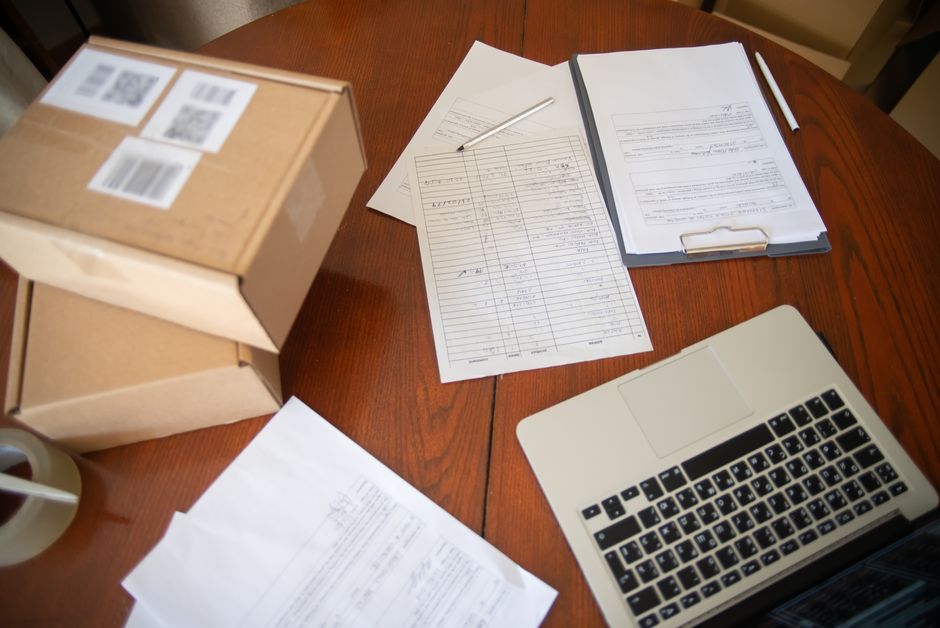
Photo credit: Pexels — Kampus Production
This article is general information based on common Dubai/UAE processes and may not reflect the latest requirements for your emirate, building, landlord, bank, or visa category. Rules, timelines, and fees change, and outcomes vary by documentation and individual circumstances.