



Renting in Dubai in 2026: A Home Setup Plan That Survives Banking, Visas, and Ejari
A reality-based Dubai renting guide for 2026: how to choose an area, negotiate a lease, register Ejari, set up DEWA, and avoid the paperwork traps that delay banking, visas, and school plans.
Use your browser search or scroll to sections below.
15:40, and you are at a bank branch in Business Bay with a folder that looks complete: passport copy, entry stamp, offer letter, and a tenancy contract.
The teller scans the lease, pauses, and asks for Ejari and a utility bill. You have neither yet because the agent said “we can do Ejari later” and DEWA can’t be activated without the right documents. Your housing timeline just became your banking timeline.
What to prepare before you arrive (so rent doesn’t stall everything else)
Bring a document pack that landlords, Ejari, and banks actually accept
In 2026, the most common Dubai rental delays are not about finding a flat. They are about missing attestations, inconsistent names, and documents that can’t be used for Ejari, DEWA, or bank KYC.
Even if you plan to rent short-term first, prepare as if you might need to sign a 12-month tenancy quickly. Having the pack ready gives you leverage when a good unit appears and the landlord wants commitment within 24–48 hours.
- Passport bio page and a clear UAE entry stamp/visa page copy (if you already entered)
- UAE residency/EID status if available (or a clear plan for your visa route) so the agent can advise what will work for Ejari and DEWA
- Proof of income: employment contract or company ownership documents (trade license if you already have it), plus last 3–6 months bank statements if asked
- A name consistency check: spelling must match across passport, visa, and tenancy contract (hyphens and middle names matter)
- If married and renting as a couple: marriage certificate copy (attestation may be requested in some processes, and it helps for family sponsorship later)
- A local UAE mobile number as early as possible (many portals and agents rely on OTPs)
Decision criteria: short-term first vs committing to an annual lease
A common 2026 relocation trade-off is whether to take a monthly hotel apartment for 2–6 weeks or commit immediately to a 12-month contract. Both can work, but they fit different risk profiles.
If your visa route is still in progress (employment onboarding, investor setup, or dependent sponsorship), short-term can prevent you from signing a lease you cannot register properly. If your priority is bank onboarding or school timing, an annual lease with fast Ejari can be the cleaner path.
- Short-term first fits: uncertain visa timeline, you want to test traffic/area, you are waiting for school confirmation
- Annual lease first fits: you need Ejari for bank KYC, you want predictable costs, you can move fast with deposits and cheques
- Watch-out: some short-term stays do not provide documents that help with proof of address for banks or applications
Choosing an area and a unit without getting trapped by “nice photos”
A practical area filter: commute, building management, and noise
In Dubai, two apartments with the same rent can feel like different cities depending on road access, building management quality, and construction nearby. Photos rarely show traffic exits, maintenance responsiveness, or whether you can sleep through a weekend balcony party.
Build a short list around daily friction: where you park, how you enter the highway, elevator wait times, and whether deliveries and security procedures match your routine.
- Do a drive-by at two times: weekday peak and late evening (noise, traffic, parking reality)
- Ask the security desk about move-in rules, delivery access, and visitor parking before you sign
- Check if there is ongoing construction adjacent to the building, not just “in the area”
- Confirm chiller/AC billing model (included vs separate), because it changes monthly costs materially
Viewing checklist: what to test in 10 minutes
A fast viewing is still enough to catch most issues if you test the right things. In 2026, the most expensive surprises tend to be AC performance, humidity/mold, and poor maintenance follow-through.
Don’t rely on “it will be fixed before move-in” without writing it into the addendum with a date, or negotiating a rent concession that you are comfortable enforcing.
- Turn on AC in multiple rooms and feel for airflow within a few minutes
- Check water pressure and hot water in at least one bathroom
- Open and close balcony doors and key windows (seal quality and noise)
- Look for humidity signs: musty smell, black spots around vents, warped cabinetry
- Ask for the last DEWA/chiller bill range if available (it changes with unit orientation and insulation)
- Test mobile signal inside the unit if you work from home
From offer to tenancy contract: cheques, deposits, and clauses to read
Understanding the money flow (and where disputes start)
Dubai rentals commonly involve a security deposit, agency fee, and rent paid via one or more cheques (or bank transfer depending on landlord preference). The exact structure varies by landlord type, building, and your negotiating position.
Disputes usually start when payments are made without a clear receipt trail, or when the contract wording is vague about maintenance, early termination, or what counts as “normal wear and tear” for the deposit.
- Ask for a written breakdown: rent amount, number of cheques, deposit, agency fee, and any building charges
- Get receipts for every payment and keep them in one folder you can show to a bank or authority if needed
- Confirm maintenance responsibilities and response time expectations (especially AC and plumbing)
- Clarify move-out repainting and deep cleaning requirements in writing
Trade-off: furnished vs unfurnished (who it fits in 2026)
Furnished units can be convenient when you land with two suitcases and need to stabilize quickly. Unfurnished units can be cheaper over a full year and reduce arguments about furniture condition.
The trade-off is usually friction versus control: furnished reduces setup time but increases deposit disputes and makes move-in inventory more important.
- Furnished fits: short runway, corporate relocation, you want to avoid buying appliances immediately
- Unfurnished fits: you plan to stay 12+ months, you want predictable condition standards, you care about your own mattress and appliances
- Failure point: signing a furnished lease without a dated photo inventory and a list of items (with condition) attached
Common failure points that cause rework later
Many tenants only discover contract problems when they try to register Ejari, activate utilities, sponsor family, or open a bank account. Fixing contract details after signing is possible, but it is slower and depends on landlord cooperation.
Treat the contract as part of your residency and compliance paperwork, not just a housing document.
- Tenant name on contract doesn’t match passport/visa spelling
- Unit details are incomplete or incorrect (building, apartment number, plot details)
- Missing landlord ID/ownership documentation required for Ejari in some cases
- No clear start date, or handover date not aligned with DEWA activation
- Verbal promises about repairs not written anywhere
Ejari, DEWA, and move-in sequencing (the part that affects visas and banking)
Ejari: why it matters beyond “registration”
Ejari is often treated as a box to tick, but in practice it becomes a core proof-of-address document. Banks may request it for KYC, some employers ask for it for HR files, and it can support dependent sponsorship planning because it shows stable accommodation.
Timing is the recurring issue: if the landlord delays signing, or the agent submits incorrect unit details, you can lose a week fixing it, and that week can cascade into visa appointments or school confirmations.
- Before submission: verify tenant name spelling, start/end dates, and unit details on the tenancy contract
- Keep a copy of the signed tenancy contract and Ejari certificate in a single PDF pack for banks and applications
- If you are mid-visa process, confirm what identification is acceptable for registration in your situation
DEWA and internet: what blocks activation
DEWA activation is usually straightforward when the tenancy and Ejari are clean, but it becomes a bottleneck when documentation is inconsistent or when the handover date is unclear. Internet installation can also lag if building access is restrictive or if prior tenant disconnection is incomplete.
Plan your move-in date around realistic activation time, not the day you get keys.
- Confirm the exact handover date in writing and align DEWA start date to avoid paying for empty days
- Ask the agent whether the building has any special requirements for technician access
- If you work remotely: arrange a backup connection plan for the first week (mobile hotspot or coworking)
Mini-case: how one missing line delayed a family’s entire setup
A couple arrived on employment and dependent plans and signed a lease quickly to secure a unit near their child’s school. The tenancy contract had the tenant’s middle name omitted, and the Ejari submission was rejected.
It took several back-and-forth cycles with the landlord to reissue the contract, and the bank would not proceed with their account opening without Ejari. They ended up using a short-term accommodation extension and delayed school transport arrangements by two weeks.
- Lesson: treat name spelling and contract details as a compliance item, not a formatting detail
- Mitigation: request a draft contract before payment so you can correct it early
How housing ties into visas, company setup, and taxes in 2026
Visas and family sponsorship: address stability matters
If you plan to sponsor dependents, housing evidence can become part of the practical checklist, even when it’s not formally presented as “required” at the start. A clean tenancy contract and Ejari reduce questions about where the family will live and can help keep your timeline predictable.
If your residency route is still being finalized, avoid locking yourself into a lease that requires immediate EID if you do not have it yet. Align the lease plan with your visa plan rather than treating them as separate projects.
- If sponsoring family: keep marriage and birth certificates ready (attestation requirements depend on the document and where it was issued)
- Match your lease dates to expected visa processing windows to avoid paying rent while you cannot fully use the home
- For visa planning details, keep a separate checklist alongside your housing file
Company setup and banking: why landlords indirectly affect founders
Founders often assume company licensing is the main hurdle, but bank onboarding is where timelines stretch. A stable local address, evidenced by Ejari, can reduce KYC back-and-forth, especially if your company is new and the bank wants clarity on your local footprint.
If you are doing company setup, keep your housing documents aligned with your trade license details and personal identification to avoid inconsistencies that trigger additional checks.
- Keep one consistent address format across: lease/Ejari, bank forms, and company contact details
- Expect requests for source-of-funds/source-of-wealth documentation; housing proof alone is not enough
- Company setup guidance can save time if you plan the sequence with residency and housing together
Tax residency proof: housing is evidence, not the whole story
If you are aiming to support a tax residency position, housing evidence is useful but rarely sufficient on its own. Authorities and banks may look for a broader pattern: entry/exit records, employment or business activity, and proof you actually live in the UAE.
A well-organized housing file helps because it provides dated, official documents that are easy to audit later.
- Keep: tenancy contract, Ejari, DEWA bills, and move-in confirmation emails
- Track: travel dates and presence, especially if you split time between countries
- Avoid assumptions and build a defensible file over time
Next steps
- Build a single PDF folder: passport, visa/EID status, proof of income, and a draft-tenancy review checklist.
- Shortlist 3 areas and do two-time drive-bys before you start paying deposits or fees.
- Align your lease start date with your visa and banking milestones so Ejari and DEWA land when you need them.
FAQ
Can I sign a Dubai lease before I have my Emirates ID?
Sometimes, yes, but it depends on the landlord, agent, and what will be accepted for Ejari and utilities in your situation. If your priority is banking or dependent sponsorship soon after arrival, confirm in advance what identification will be used to register Ejari and activate DEWA. Otherwise you can end up with a signed contract that you cannot use as proof of address when asked.
What documents do I need for Ejari in 2026?
Expect to provide a signed tenancy contract and identification documents, and in some cases supporting landlord/property documents. The failure point is usually not “missing everything” but small mismatches: tenant name spelling, incorrect unit details, or a contract missing key fields like start date. Ask for a draft contract before payment so you can spot these early.
How many cheques do landlords typically accept?
It varies widely by landlord type, building, and your profile, and it can change with market conditions. Some landlords prefer fewer cheques and may price accordingly, while others are flexible if you have strong proof of income or a corporate lease. Treat cheque count as a negotiation item, not a fixed rule.
My agent says “Ejari later.” Is that safe?
It can be, but it is risky if you need proof of address for a bank account, HR onboarding, or any dependent timeline. A safer approach is to agree on an Ejari timeline in writing and ensure the contract details are correct before you transfer funds. If the landlord is slow to sign, your entire setup schedule can slip.
What usually delays DEWA activation and move-in?
The most common delays are documentation inconsistencies, unclear handover dates, and building access constraints for technicians. You can reduce surprises by aligning the tenancy start date with handover, confirming what the building requires for technician entry, and keeping your Ejari and tenancy documents in a clean, shareable file.
Does a Dubai rental help with opening a bank account?
Often, yes, because Ejari and a utility bill are common proof-of-address items in bank KYC. That said, banks can still request additional information (income source, company documents, prior banking history). Think of housing documents as necessary support, not a guarantee.
If I plan to sponsor my spouse and children, should I rent first or do visas first?
There isn’t one correct order, but you should plan them together. If you rent too early, you may pay for time you cannot use while visas are processed. If you rent too late, you may miss school deadlines or delay banking. Many families do: short-term stay on arrival, finalize residency steps, then sign a lease once they can register Ejari cleanly.
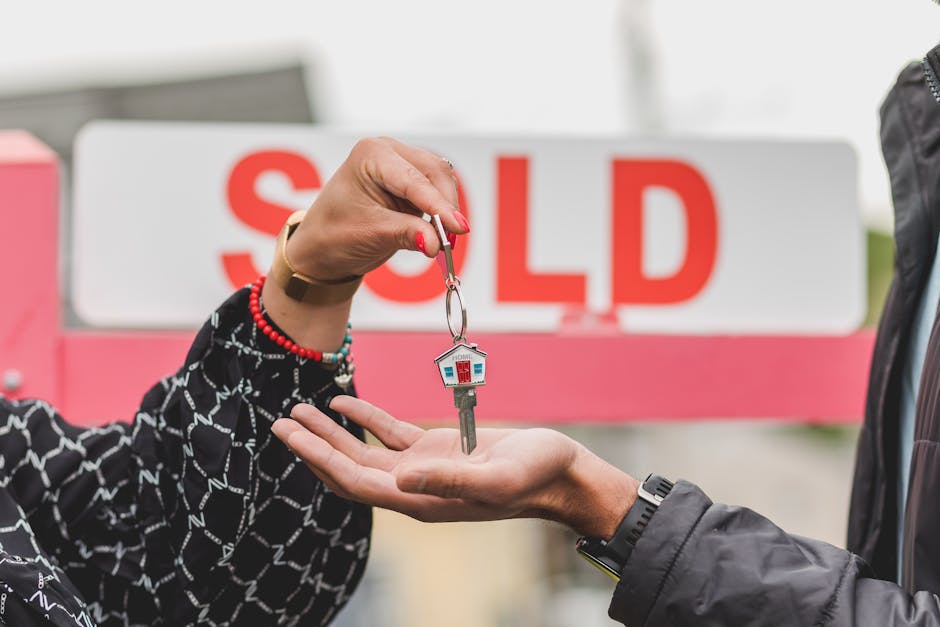
Photo credit: Pexels — RDNE Stock project
This article is general information for Dubai/UAE relocation planning and is not legal, immigration, tax, or financial advice. Requirements and processes can change, and acceptance can vary by authority, bank, landlord, and individual circumstances.