



UAE Residence Visa After Landing: A 30‑Day Paperwork Plan That Holds Up
A realistic, step-by-step UAE residence visa plan for your first month in Dubai, including what to prepare before arrival, common failure points, and how housing, banking, and tax proof connect.
Use your browser search or scroll to sections below.
Morning at an Amer center in Al Barsha: you’ve got a ticket number, a folder with your passport copies, and a printout of your entry stamp. The staff asks for your “e-signature” file and your UAE mobile number, and you realise your SIM is still on a tourist package that can’t receive some verification texts.
Nothing is “wrong” yet, but this is how UAE residency often goes: small missing pieces create repeat visits. The fix is usually not expensive, just ordered. This guide lays out a friction-ready 30‑day plan so your visa, Emirates ID, housing proof, and bank KYC don’t work against each other.
What to prepare before you arrive (the documents that cause rework)
Bring the right originals, not just scans
Most delays happen because your sponsor or PRO can’t proceed without an original document, a specific attestation chain, or a name match. Scans help you start, but originals are what close loops for dependents, employer files, and some banks.
Treat your name as a compliance object. If your passport, degree, marriage certificate, and old bank statements all show slightly different spelling or order, someone will ask you to reconcile it. That reconciliation takes time once you’re already in the middle of medical and Emirates ID appointments.
- Passport with sufficient validity and clear passport bio-page scan
- Digital passport photo (UAE format), plus 4–8 physical copies as backup
- Marriage certificate and children’s birth certificates (originals) if family will be sponsored
- Educational certificate(s) if your visa route or job title needs it (bring originals even if not always requested)
- A short “name variation note” if you have multiple spellings across documents (simple statement + supporting docs)
Decide your sponsor route early (because it changes the admin chain)
Your residence visa route determines what you can do next: employment visa, free zone visa, mainland company owner/partner visa, or family sponsorship. The steps can look similar on paper, but the bottlenecks differ.
Trade-off comparison: employment visa vs owner/founder visa. Employment tends to be faster when HR is organised and the company already has a stable process, but you depend on their timelines and cancellation rules if you change jobs. Owner/founder routes give you control and can align with long-term plans, but banking and compliance often scrutinise a new company more heavily, and you may need extra documents to explain activity and source of funds.
- Employment sponsor: fits people joining an established employer and not needing business banking immediately
- Company owner/founder sponsor: fits founders who need control and a visa tied to their own license
- Family sponsorship: fits when one spouse has stable salary/visa and the other can remain without a separate employer
Pre-arrival checklist that saves week-two panic
Your first two weeks in Dubai are full of appointments that want the same basics: a working UAE number, a local address you can receive SMS and delivery at, and consistent copies of your passport and entry status.
If you can only do three things before landing, do these.
- Book a flexible stay (hotel/serviced apartment) that will accept courier deliveries
- Carry a printed copy of your entry stamp/visa page once you enter (screenshots get rejected surprisingly often)
- Prepare a one-page “relocation pack” PDF: passport, photo, prior address, employer/company details, and emergency contact
Days 1–10: entry status, file opening, and appointment stacking
Start with your entry status and a single source of truth
Whether you entered on visa-on-arrival, a visit visa, or with a pre-arranged entry permit, your sponsor will need the exact entry details to open or update your immigration file. Small mismatches (wrong UID, old passport number, incorrect nationality field) can cause the system to bounce the application.
Create one folder that everyone uses: sponsor/PRO, you, and your spouse if relevant. Keep the file names consistent so the same document doesn’t get submitted in three different versions.
- Confirm your UID and entry details as recorded (don’t assume it matched what you expected)
- Use one “master” passport scan and one “master” photo and distribute those
- Keep a running log: what was submitted, when, and by whom
Book medical and Emirates ID biometrics with buffer
Medical fitness and Emirates ID biometrics are the appointments that dictate the rest of your timeline. Slots can be limited during busy periods, and rescheduling costs time more than money.
Common failure point: turning up with the wrong document version. Some centers want printed appointment confirmations; others accept digital. When in doubt, bring both and a spare photo.
- Book medical first if possible, then biometrics around it
- Bring passport original, entry details, and any sponsor-issued application printouts
- Avoid scheduling back-to-back with no travel buffer across Dubai
Mini-case: the “SIM card” bottleneck
A founder arrived, started the visa process, and then tried to open a bank account before Emirates ID. The bank required OTP verification to a UAE number and a physical address confirmation, but the number was on a plan that repeatedly failed KYC verification and the address was a short-stay booking without a clear unit reference.
Result: the visa proceeded, but banking slipped by three weeks. The fix was simple: upgrade to a postpaid/verified line and switch to a longer stay with a stable address format that matched documents.
- Have a UAE number that reliably receives OTP and can be registered in your name
- Use a consistent address format (building, unit, area) across forms
- Don’t schedule bank meetings assuming Emirates ID is “basically done”
Days 11–21: Emirates ID progress, stamping, and the housing/bank dependency
Understand what ‘done’ actually means for daily life
Many people treat residency as complete once a visa is approved or a passport has been updated. In practice, daily life gates often depend on Emirates ID status: leasing, DEWA setup, some telecom upgrades, and almost all serious banking conversations.
Plan your commitments accordingly. If you must sign a lease quickly, ask the agent and landlord what they accept in lieu of Emirates ID and what will be required to register Ejari once the ID is issued.
- Ask upfront: can the landlord proceed with passport + visa application proof, or do they require Emirates ID?
- Keep screenshots/printouts of application status when allowed, but don’t assume universal acceptance
- Have a fallback housing plan if Ejari can’t be issued immediately
Housing trade-off: short-term flexibility vs paperwork stability
Housing choices affect your admin speed. Serviced apartments are flexible and reduce immediate commitments, but they may not support Ejari, which is a key proof point for banks and some government processes.
Longer leases give you stable proof of address (via Ejari) but can be hard to secure without Emirates ID, local cheques, and a landlord willing to work with new arrivals. Who it fits: if you need banking and school registration quickly, prioritise a path to Ejari. If you’re still choosing areas and schools, prioritise flexibility and accept that some admin will wait.
- Serviced apartment: faster move-in, weaker proof stack for banks
- Annual lease: stronger proof stack, higher upfront admin and payment constraints
- Decision criteria: do you need Ejari within 2–4 weeks for banking, school, or tax proof?
Bank KYC reality: your visa is necessary, not sufficient
Even with a valid residence visa, banks often ask for additional proof: address evidence, employment/company documents, and source of funds. This is where founders and high earners get surprised because they planned “visa first, bank second” without preparing the story the bank needs.
If you are setting up a company, align your license activity with the transactions you expect. A mismatch creates prolonged back-and-forth. See company setup context here: https://svan.ae/en/company
- Prepare: employment letter or company documents, expected monthly inflows/outflows, and supporting invoices/contracts if available
- Prepare: address proof plan (Ejari if possible, otherwise a stable alternative until Ejari is issued)
- Common failure point: unexplained international transfers or vague business activity descriptions
Family dependents, renewals, and cancellation steps people miss
Dependent visas: sequence matters more than speed
For spouse and children, the sponsor’s status typically needs to be active and usable first. If you start dependent files too early, you can end up duplicating submissions after your own Emirates ID details update.
Common failure points are document attestation, inconsistent parent names across certificates, and missing Arabic translations where required. Family guidance lives here: https://svan.ae/en/family
- Collect originals: marriage certificate, birth certificates, passport copies, photos
- Check name alignment across documents before submission
- Plan for attestation and translation time rather than assuming same-week completion
Renewals: avoid expiry-week scrambling
Renewals are usually easier than first issuance, but they still fail when passports are near expiry, health insurance status is unclear (where applicable), or the sponsor’s company file has unresolved issues.
Set a calendar reminder 90 days out and do a quick audit: passport validity, any changes in job title/company activity, and whether dependents’ documents are still current.
- Renewal checklist: passport validity, current contact details, updated photo if needed
- If changing jobs: understand cancellation timing and grace periods before you resign
- If you have dependents: renew sponsor status first, then dependents
Cancellation and exit: keep an ‘end file’
If you leave the UAE or change sponsors, cancellation steps can matter for future re-entry, banking, and tax documentation. People often cancel the visa but forget to close loops with employer records, tenancy contracts, or bank status.
For tax and compliance context, especially if you’re managing more than one country, keep a clean timeline file and related proof. Tax overview here: https://svan.ae/en/tax
- Save: cancellation confirmation, final payslip/settlement letter if employed
- Close/transfer: tenancy and utilities in your name where applicable
- Keep a dated travel and address timeline for future questions
Common failure points (and how to prevent repeat visits)
Name mismatches and document chains
A single-letter mismatch can cause resubmissions, especially for dependent visas and anything involving attestations. Fixing it mid-process can mean additional stamps, translations, or affidavit-style letters depending on the case.
Do a quick consistency check before you submit anything: passport name format, spouse name after marriage, and parent name formats on birth certificates.
- Compare names across: passport, marriage certificate, children’s birth certificates, degree
- If you have dual citizenship or old passports, keep copies ready for explanation
- Don’t submit “version 1” while you’re still waiting for an updated translation
Over-optimistic timelines for “soft gates” (banks, landlords, schools)
Government steps have a process; private-sector steps have policies that vary by counterparty. A landlord may want cheques from a UAE bank account you can’t open yet. A school may ask for Emirates ID or visa copies for parents before issuing final acceptance.
This is why your housing and family planning should run in parallel with your visa, not after it. Housing overview here: https://svan.ae/en/housing
- Ask landlords: what payment methods are accepted for new residents?
- Ask schools: what is required to hold a seat versus final registration?
- Keep a fallback: temporary housing + a letter from employer/company confirming relocation
The ‘multiple PROs’ problem
When HR, a PRO, and a free zone portal are all involved, you can get conflicting instructions. One person asks for a new photo; another says the old photo is fine; you lose two days chasing the wrong item.
Pick one coordinator and require that all requests come through that person in writing, even if it’s just a WhatsApp message you can screenshot.
- Nominate one point of contact (you or a PRO) to track requests
- Use a simple tracker: request, date, submitted, confirmed
- Don’t attend appointments without a printed/digital pack of all submissions
Next steps
- Choose your sponsor route and make a single document folder with consistent file names.
- Book medical and Emirates ID biometrics early, with travel buffer between appointments.
- Build an address-proof plan (temporary stay now, Ejari path later) before you start banking.
FAQ
Can I start the UAE residence visa process on a tourist entry?
Often yes, depending on the visa route and sponsor, but the workable sequence varies. The key is that your entry status must be correctly recorded and compatible with the status change or stamping process your sponsor is using. If you’re unsure, ask your sponsor/PRO what exact entry status they expect and what document they need from you (entry stamp page, entry permit, UID confirmation).
What usually delays Emirates ID the most?
Scheduling and rescheduling appointments, missing the right document printouts, and mismatched details between your passport and the application file are common causes. Another frequent delay is treating Emirates ID as an automatic by-product of the visa. In practice, you still need to complete biometrics properly and keep your contact details consistent so status updates reach you.
Do I need Ejari to open a bank account in Dubai?
Not always, but it is one of the strongest and most widely accepted address proofs. Some banks accept alternatives temporarily, while others expect Ejari or a stable address document set. Plan for the possibility that your first bank choice says no or asks for more. A realistic approach is to build an address-proof plan that upgrades from short-term accommodation to Ejari once you can sign a lease.
When should I apply for spouse and children dependent visas?
Usually after the sponsor’s residency is active enough to be used reliably for dependent files. Starting too early can lead to duplicated submissions when sponsor details update. Also budget time for attestation and translation if your marriage or birth certificates aren’t already in the form required for submission.
If I change jobs, what happens to my residence visa?
Your old employer typically needs to cancel or transfer your status depending on the scenario, and the timing matters. If you resign before you understand the cancellation sequence and any grace period, you can create an avoidable gap. Before resigning, ask HR for the exact cancellation steps, expected timelines, and what documents you will receive as proof of cancellation.
Is a UAE residence visa the same as being a UAE tax resident?
No. A residence visa helps, but tax residency is usually assessed using additional criteria and proof, which can include day counts and evidence of where your life is actually based. If you are relocating for tax reasons, build a “proof file” from day one: housing, utilities where applicable, travel logs, and records showing where work and family life happen.
What should I keep as proof that my move is real and not just paperwork?
Keep a clean timeline and copies of documents that show continuity: housing contracts/Ejari when available, Emirates ID issuance details, school enrolment or inquiries, and bank onboarding communications. The goal is not to collect everything, but to ensure you can reconstruct your move month by month if a bank or authority asks later.
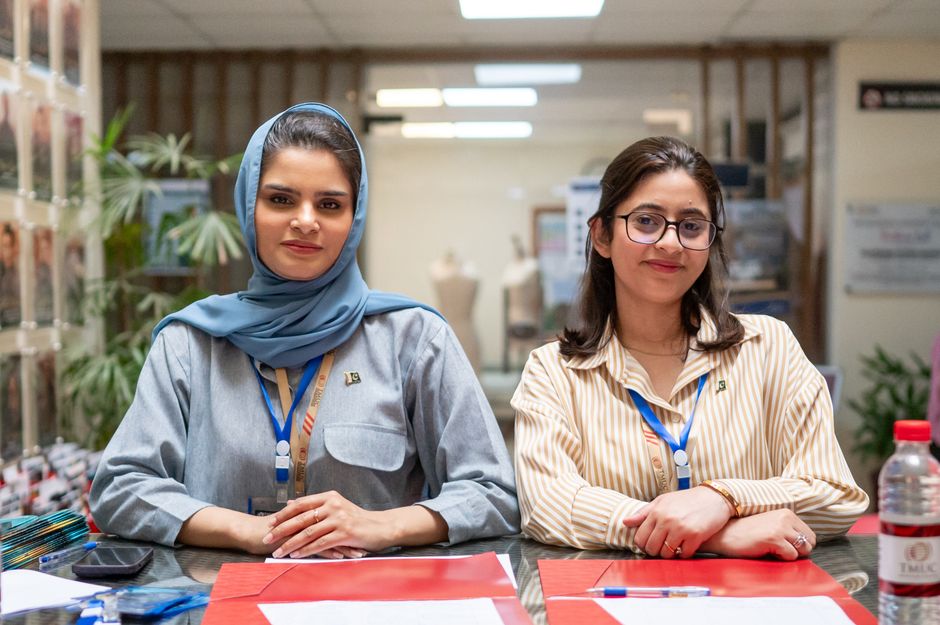
Photo credit: Pexels — iram shehzad
This article is general information, not legal or tax advice. UAE visa, banking, housing, and compliance requirements can change and can differ by emirate, sponsor, and individual circumstances. Always confirm current requirements with the relevant authority or your appointed PRO/adviser.