



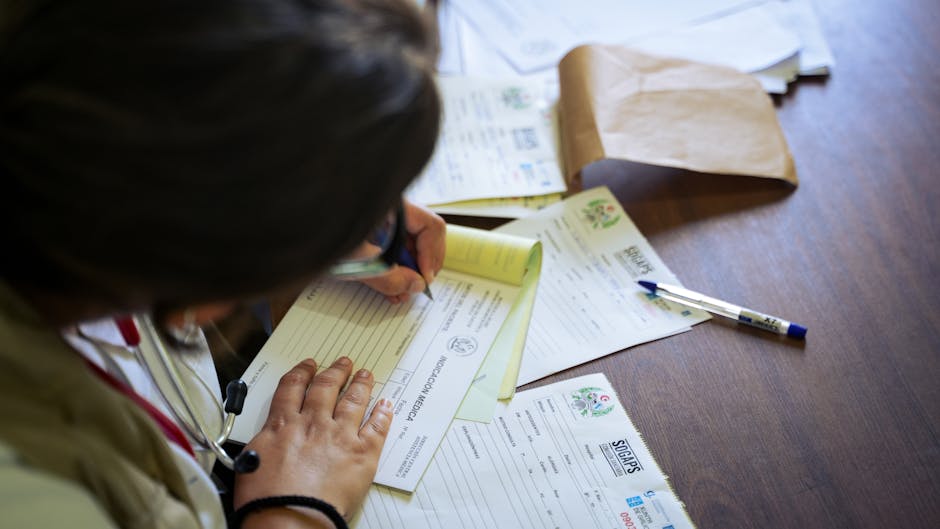
UAE Residence Visa in 2026: A Paperwork-First Plan That Avoids Rework
A realistic, document-led way to get a UAE residence visa in 2026, with common stall points, sponsor trade-offs, and a timeline that works alongside renting, banking, and family moves.
Use your browser search or scroll to sections below.
08:45: You’re at an Amer centre in Al Barsha with a folder that looks complete. The typist scrolls, stops, and asks for a clearer passport scan because the MRZ line is cut off. Then they ask whether your marriage certificate is attested, because your spouse will be added later and the system will still want consistency.
12:30: Medical fitness is done, but your photo gets rejected for glare, so you redo it. You book biometrics for Emirates ID and the earliest slot isn’t today. Your landlord is asking for a signed tenancy contract, but the agent wants your Emirates ID first. Everything is “standard” until the order of steps is wrong.
Pick a visa route that matches how you’ll live (not just what’s easiest)
Sponsor options: employment vs company/investor vs family
Most delays come from choosing a route that doesn’t fit your real plan for housing, banking, and dependents. A visa is not only an immigration step, it’s the key that unlocks Emirates ID, which then unlocks most practical life admin.
If you’re relocating as a household, factor in who will sponsor dependents, who needs to open accounts, and who needs proof of address early. If you’re building a business, factor in whether your company setup will be “bankable” enough for KYC once you have the visa.
- Employment visa: best when you have a credible employer handling PRO steps; can be smoother for salary transfers, but you’re tied to that employer’s timelines and policies
- Company/partner/investor-style residency: best when you need control and flexibility; can add setup steps (license, establishment card, bank scrutiny) before life admin stabilizes
- Family sponsorship: best when one person has stable income and housing proof; depends heavily on relationship documents and consistency in names/dates
Trade-off: Free zone vs mainland company route (who it fits)
If your residency is linked to a company you’re setting up, the free zone vs mainland choice is not just a licensing debate. It affects how quickly you can produce the documents banks, landlords, and schools will accept.
Free zones often have streamlined internal processes for visas, but you may still face bank KYC questions about business activity, source of funds, and counterparties. Mainland can be better if you need broad local contracting flexibility, but PRO steps may involve more back-and-forth depending on the activity and jurisdiction.
- Free zone tends to fit: solo consultants, online services, international clients, people who want a contained admin process
- Mainland tends to fit: businesses needing local market access, certain regulated activities, companies hiring locally at scale
- Decision criteria to write down before you apply: where clients are located, expected monthly transaction pattern, whether you’ll need office/warehouse, whether a spouse will be sponsored immediately
Mini-case: the visa route was fine, the documents weren’t
A couple arrived planning to do a founder residency and sponsor two kids. The founder visa proceeded, but the children’s school asked for attested birth certificates and a transfer certificate from the previous school, and the spouse’s name format didn’t match across documents.
Result: the visa wasn’t rejected, but family onboarding slowed by three weeks while attestations and corrected translations were arranged. They could not finalize a long-term lease because the landlord wanted clearer ID/address proof.
- Lesson: pick the route, then build one consistent “identity file” across every family document
- If dependents are in scope, treat attestation as a first-week priority, not a last-minute task
What to prepare before you arrive (so you don’t lose weeks)
Your core document pack (and why scans matter)
In practice, many rejections are not about eligibility. They’re about document quality, naming consistency, and missing pages. Bring originals, but also build a clean digital pack you can resend quickly when a typing centre, PRO, HR, or bank asks again.
Expect multiple parties to request the same items in slightly different formats. A good scan can save you repeat visits to printing shops and repeated “resubmit” loops.
- Passport: clear colour scan of photo page and any relevant visa pages; avoid cropping the MRZ line
- Passport photos: several printed copies plus a high-resolution digital version on your phone
- Entry status: e-visa/entry permit (if issued) and your entry stamp page once you arrive
- Education/professional docs if your role/activity requires it: degree certificates, professional memberships, experience letters (if applicable)
If you have a spouse or kids: attestation and name consistency
Family sponsorship is where “almost matching” names cause trouble: different spellings, missing middle names, or swapped surname order across passports and certificates. Fixing this after you arrive can mean consulate appointments, additional translations, and document re-issuance timelines you don’t control.
Even if you plan to sponsor dependents later, it’s safer to prepare now because banks, landlords, and schools may still ask for relationship proof when you’re setting up.
- Marriage certificate: attested as required for UAE use; also bring a certified translation if not in Arabic/English as accepted
- Birth certificates for children: attested; check that parent names match passport names
- School records: latest report cards, transfer certificate, vaccination record requirements for admissions processes
- A single “name map” note: write exactly how each person’s name appears on each document, so you spot mismatches early
Banking and tax proof: start collecting from day one
Even though this is a visa guide, banking and tax proof often become the hidden constraint. UAE banks can ask for source-of-funds documents, employment/contract evidence, and a local address trail. Separately, if you plan to use UAE tax residency concepts later, you’ll want your timeline and supporting documents clean from the start.
Create a folder that captures your move as it happens, not months later when you’re reconstructing evidence.
- Keep: flight tickets, entry stamps, hotel invoices, first tenancy contract/Ejari, DEWA connection receipts once available
- If self-employed: client contracts/invoices that match your licensed activity and expected inflows
- If employed: offer letter/employment contract and payslips when they start
- For deeper guidance: use https://svan.ae/en/tax alongside your visa timeline planning
A realistic visa timeline: the sequence that reduces backtracking
The usual chain: entry status → medical → biometrics → Emirates ID → residency stamping/issuance
The broad sequence is straightforward, but appointments and document corrections make the real timeline variable. Your goal is to avoid doing steps in an order that forces re-typing or re-booking.
Where you do each step (Amer/typing centre, medical fitness centre, biometrics location) can differ by emirate and sponsor route. Your sponsor’s PRO or your chosen centre will steer you, but you should still understand the dependencies.
- Confirm your entry status and validity window before booking anything that relies on it
- Do medical fitness early, but double-check photo requirements to avoid retakes
- Book biometrics as soon as you are eligible; slots can be the pacing item in busy periods
- Track the exact spelling of your name and passport number across every form submission
Common failure points (the ones that cause repeat visits)
Most people don’t get a dramatic rejection. They get a slow grind of small corrections. Plan for at least one round of “please resubmit” and build slack into your housing and school timeline.
If something stalls, ask for the exact reason code or written note, not a verbal summary. That makes it easier for a PRO/typing centre to correct without guessing.
- Scans rejected: cropped MRZ, glare, low resolution, missing pages
- Mismatch across documents: different name order, missing middle name, different birth place format
- Old/unclear photo format: background, size, or reflections
- Dependent documents not attested or translation not accepted for the specific use
- Insurance/benefit gaps (route-dependent): sponsor’s internal HR steps lag the immigration steps
Where housing and school collide with the visa timeline
Renting in Dubai often expects post-dated cheques, a signed tenancy contract, and then Ejari registration. Some landlords or agents will proceed with passport and entry status, others will insist on Emirates ID. Meanwhile, schools may ask for Emirates ID copies for parents and children, and sometimes proof of address.
If you’re arriving during peak admissions, you may need a temporary housing strategy so you can produce acceptable address proof while the visa completes.
- Plan A: short-term stay while visa/EID completes, then sign a long-term lease and register Ejari
- Plan B: negotiate a lease clause allowing Ejari submission once EID is issued (not all landlords agree)
- For housing mechanics: https://svan.ae/en/housing
- For family onboarding considerations: https://svan.ae/en/family
Adding spouse and children: what slows family sponsorship in practice
Before you apply: eligibility signals and proof you’ll be asked for
Family sponsorship tends to be less about one single form and more about a chain of proofs: relationship, income, and housing/address. The exact thresholds and accepted proofs can shift by policy updates and by situation, so work with ranges and focus on producing credible documents rather than aiming for a single number.
If your salary certificate, job title, or company trade license doesn’t clearly support the application, you can lose time in clarification loops.
- Relationship proof: attested marriage/birth certificates
- Sponsor proof: employment contract or company ownership documents, salary certificate/payslips where applicable
- Housing proof: tenancy contract/Ejari once available, plus utility connection evidence when requested
- Identity proof: Emirates ID and passport copies for all parties
Practical checklist for dependents (document-first)
Prepare dependents’ files like mini visa applications of their own. If you’re missing one attestation or a consistent translation, you will keep circling back to the same gap.
Also think about timing: do you want everyone to enter together, or do you bring dependents after the primary applicant’s Emirates ID is issued. The second option can be less stressful for address proof, but it may clash with school start dates.
- Create one PDF per family member: passport scan, photo, entry stamp (once entered), visa status docs
- Create one “relationship bundle”: attested certificates + translations + a one-page name consistency note
- Keep a shared spreadsheet: application dates, medical dates, biometrics slots, document submission versions
- If school is imminent: start admissions document checks in parallel, not after visa approval
After Emirates ID: banking, compliance, and renewals you should not ignore
Bank KYC reality: your visa is necessary, not sufficient
People often assume the hard part ends with Emirates ID. In reality, account opening and ongoing KYC can be the longer pole, especially for founders and internationally paid professionals.
Banks may ask for a local address trail, employment or business proof that matches your activity, and source-of-funds documentation. If your story changes month to month, expect extra questions.
- Keep your first lease/Ejari and DEWA documents handy once issued
- Ensure your invoices/contracts align with your licensed activity (if you are on a company route)
- Expect follow-ups on inbound transfers, especially early on
- Company setup context: https://svan.ae/en/company
Renewals and cancellations: avoid accidental overstays and loose ends
Renewal friction is usually caused by expired passports, lapsed insurance (route-dependent), or missing compliance steps for company-linked visas. Cancellations can also be messy if you leave without closing the loop on dependent visas, tenancy obligations, or bank account status.
Set a reminder well ahead of expiry and maintain a single folder with your latest EID, visa file, and sponsor documents so you’re not reconstructing the past under time pressure.
- 90–120 days before expiry: check passport validity and sponsor requirements
- If changing jobs/sponsor: confirm whether dependents need separate cancellation/re-issuance steps
- If exiting: align visa cancellation with tenancy notice periods and outstanding bills
- Keep tax residency planning separate from visa expiry planning, but maintain evidence as you go: https://svan.ae/en/tax
Next steps
- Choose your sponsor route and write a one-page list of what it must enable (banking, lease, dependents).
- Build a clean digital document pack with consistent names and attested family documents where relevant.
- Plan housing and school as parallel tracks with a short-term fallback while Emirates ID is in progress.
FAQ
Can I rent a long-term apartment in Dubai before my Emirates ID is issued?
Sometimes, but it depends on the landlord/agent and what they accept as proof. Some will proceed with passport and entry status and sign the tenancy contract, then wait for Emirates ID to complete Ejari. Others insist on Emirates ID before signing or registering. If you need speed, plan a short-term stay first and move to a long-term lease once your ID is issued.
What document issue causes the most visa rework?
Poor scans and inconsistency. Cropped passport scans (especially cutting the MRZ line), glare, missing pages, and mismatched name formats across passports and certificates are common triggers for resubmission. Fixing these early is often faster than trying to “explain” them later.
Do I need attested marriage and birth certificates if I’m not sponsoring my family immediately?
If family sponsorship is even a possibility within the next year, preparing attested documents before or right after arrival usually saves time. Attestation and translations can become the pacing item, and schools or other institutions may still ask for relationship proof during onboarding.
How long does the UAE residence visa process take in real life?
It varies by sponsor route, appointment availability, and whether you have to resubmit documents. Some people complete the chain quickly when slots line up and documents are clean; others lose weeks to biometrics availability, corrections, or sponsor HR/PRO delays. Build slack into housing and school plans and avoid booking immovable commitments based on best-case timelines.
If I change jobs, do my spouse and kids’ visas automatically transfer?
No. Dependents usually follow the sponsor’s status, and changes can require cancellation and re-issuance steps depending on the situation and timing. Confirm the sequence with the PRO handling your case so you don’t accidentally create a gap in dependent status during the transition.
Why do banks ask for so many documents after I already have Emirates ID?
Emirates ID confirms identity and residency status, but banks still have compliance obligations to understand source of funds, expected account activity, and address. Founders and internationally paid professionals often face additional questions because income sources are not a simple local payroll.
What should I keep as proof if I might apply for a UAE Tax Residency Certificate later?
Keep a timeline file from day one: entry stamps, flight tickets, hotel invoices, tenancy/Ejari once issued, utility connection documents, employment or business contracts, and bank statements. Even if you do not apply immediately, having contemporaneous evidence is easier than reconstructing it later.
Photo credit: Pexels — Mahyub Hamida
This article is general information, not legal or immigration advice. Visa rules, document requirements, and processing practices can change and may differ by emirate, sponsor type, and personal circumstances.