



UAE Residency Visa After Landing (2026): A Step-by-Step Plan for Real Bottlenecks
A practical, friction-aware sequence to get from entry to Emirates ID in the UAE in 2026, with the documents, common rejection points, and the housing and banking dependencies people miss.
Use your browser search or scroll to sections below.
Afternoon: you’re at a typing center near an Amer counter, and the clerk pauses on your file. Your entry stamp is fine, but your middle name doesn’t match your passport’s machine-readable line, and the system won’t accept the application as typed.
Evening: you message your HR or PRO, and they ask for a higher-resolution passport scan, your last visa cancellation paper, and a clearer photo background. Tomorrow morning’s medical appointment is now “maybe,” because the application can’t be submitted until the name format is corrected.
Start by locking the sponsor route (it controls everything downstream)
Decision criteria: employment, company owner, or family sponsorship
Most “visa delays” are actually sponsor-route mismatches. The sponsor determines which portal is used (e.g., Amer/GDRFA vs ICP flows depending on emirate and case), which documents are mandatory, and who is responsible for cancellations and amendments.
If you are relocating to Dubai for work, align early with HR on what they will sponsor (and when). If you are a founder, the company setup path affects both visa eligibility and bank compliance, because banks often ask how you are paid and who your clients are.
- Employment visa: fits salaried roles with an HR team handling labor/immigration steps; depends on employer timelines and internal approvals
- Investor/partner visa via your own company: fits founders and consultants; depends on company licensing, activity selection, and whether you can evidence real operations for KYC
- Family sponsorship: fits spouses/children once the primary resident’s Emirates ID and salary/eligibility requirements are in place; depends on attested relationship documents
Trade-off: free zone vs mainland visa sponsorship (who it suits)
This is less about “better” and more about operational fit. Free zones can be simpler on licensing steps for certain activities, but your banking and invoicing reality matters. Mainland can be better aligned if you need local contracting patterns or specific regulated activities, but it can add approvals.
Choose based on how you will actually earn money, hire, and sign contracts, not on a promised timeline.
- Free zone: often suits digital services, holding/consulting structures, and teams that do not need frequent local client site work
- Mainland: often suits businesses needing broader local market access, certain onshore contracts, or physical operations
- Both: can still face bank KYC questions if the activity, source of funds, or transaction pattern is unclear
Mini-case: the “wrong sponsor” rework that costs weeks
A couple arrived planning to put the spouse on a dependent visa immediately, but the primary applicant entered on an employment offer that slipped by three weeks due to internal headcount approval. They signed a short-term rental and tried to proceed with family entry permits anyway.
Outcome: they had to wait for the primary Emirates ID first, then reissue the dependent entry permit with corrected sponsor details. Nothing was “denied,” but they paid extra for amendments and had to reschedule medical and biometrics.
- If the sponsor isn’t finalized, avoid booking non-refundable appointments and translation/attestation rush services
What to prepare before you arrive (the “document chain” that prevents rejections)
Bring a proof-ready folder, not just a passport
In practice, the visa process touches housing, banking, and sometimes tax residency planning. If you arrive without the upstream documents, you will end up paying for last-minute attestations, couriering originals, or redoing translations because the format is not accepted.
Aim to carry originals plus clean scans. A surprising number of delays are caused by low-quality scans, cropped passport MRZ lines, or inconsistent name formats across documents.
- Passport with sufficient validity; include a high-resolution scan of the photo page and any observation pages
- Passport-style photos that meet UAE background/size expectations (bring extras in case a specific portal rejects one)
- Marriage certificate and birth certificates for dependents, prepared for UAE use (attestation/legalisation as required for your issuing country)
- A “name consistency” note if you have multiple surnames, patronymics, or frequent middle-name truncation on bank and travel documents
- Previous UAE visa cancellation documents if you had prior residency
- Proof of address in your current country (often requested later for bank KYC or offboarding tax files)
Common failure points at this stage
Most fixes are administrative, but they can stall the sequence because medical, biometrics, and stamping appointments depend on having the application correctly lodged.
- Mismatch between typed name and passport MRZ line (spacing and order matters)
- Old UAE visa not properly cancelled or showing as active in systems
- Attestation missing a required step for dependent documents (varies by issuing country and intended use)
- Poor scans: glare, cut-off edges, unreadable stamps
- Photos rejected due to background, size, or head position
Onshore sequence: entry permit to Emirates ID without losing time
The practical order (and why it matters)
Exact steps differ by emirate and sponsor type, but the dependency logic is consistent. You want to avoid booking steps that can’t be completed because the prior step is still “in process.”
If you are trying to rent long-term, open bank accounts, or register utilities, you’ll often be asked for Emirates ID or at least proof that it is in progress. That is why the visa sequence is also a housing and banking sequence.
- Entry permit issuance (or status confirmation if you entered on a relevant permit)
- Medical fitness test booking and completion
- Biometrics for Emirates ID (if required for your case)
- Visa stamping/issuance and Emirates ID processing completion
- Update employer records, insurers, and any tenancy paperwork with consistent ID details
Where timelines actually slip
The slow parts are rarely the appointment itself. Slippage usually comes from resubmissions, missing uploads, portal status mismatches, or sponsor-side back-and-forth.
Build slack if you have travel coming up. Even if you can travel during parts of the process in some cases, you do not want to be abroad when a resubmission window or original-document check lands.
- Medical appointment availability (seasonal surges and location choice can change wait times)
- Biometrics slots and rescheduling rules
- Sponsor delays: HR signatures, PRO queues, or company document updates
- System status issues after cancellation or after a change in passport details
- Additional document requests for dependents
Checklist: what to carry to each appointment
Small omissions cause repeat visits. Keep a single folder for physical originals and a separate phone folder for PDFs so the typing center can pull exactly what they need.
- Medical: passport original, entry permit copy, reference/application number if provided
- Biometrics: passport original, application/biometrics appointment confirmation, any prior Emirates ID if you had one
- Typing/Amer/ICP submissions: clean scans, consistent photo file, sponsor documents as applicable
The dependencies people underestimate: housing, bank KYC, and tax proof
Housing: temporary vs long-term lease while your visa is in progress
Many landlords and agents will ask for Emirates ID for the tenancy file and for setting up Ejari and utilities. Some will proceed with passport copies and a pending-visa status, but you should expect extra scrutiny and slower turnaround.
If you need a long-term lease early for family logistics, plan for a realistic bridging solution and keep all receipts and contracts because they can also become part of your “proof of living” file later.
- Short-term housing: faster to start, fewer document dependencies, but can be costly and may not create the paperwork trail you need
- Long-term lease: better stability and evidence trail (tenancy contract/Ejari), but can hinge on Emirates ID timing and payment method (cheques, deposits)
- Prepare to show: passport, entry permit, employment letter or company documents, and sometimes a local contact number
Banking: Emirates ID helps, but KYC still asks “how do you earn”
People often treat the Emirates ID as the only blocker to opening accounts. In reality, banks may still ask for source-of-funds evidence, client contracts, invoices, or a salary certificate, especially for founders and internationally paid professionals.
If you are setting up a company, align your business story, licensing activity, and expected transactions before you start KYC. Otherwise you’ll re-answer the same questions across branches and weeks.
- Employment: expect salary certificates and employer letters; timelines depend on payroll readiness
- Founders: expect questions on shareholders, business model, client geography, and projected volumes
- Common friction: inconsistent addresses, unclear source of wealth, missing supporting contracts
Tax residency: visa is not the same as a defensible residency position
A residency visa is one piece of a broader residency picture. If your move is motivated by tax residency changes, you will usually need a consistent evidence trail: housing, presence, local ties, and clean exit steps from your prior jurisdiction.
Don’t wait until year-end to assemble proof. Build it from day one with leases, utility bills where available, flight logs, and a calendar of days in/out.
- Keep: tenancy/Ejari records, utility confirmations, local phone plan records, school letters (if applicable), and travel history
- Avoid: claiming residency based only on a visa while you continue most work and life elsewhere
- If you need help mapping this, keep your notes aligned with your sponsor route and housing choice
Rework, renewals, and cancellations: plan the boring parts early
Common rework triggers (and how to reduce them)
Rework is usually fixable, but it’s rarely fast because each correction can require resubmission, re-typing, or waiting for a system update. If you are on a tight schedule (school start dates, lease move-in, travel), treat rework probability as real.
The best prevention is consistency: same name formatting, same passport scan set, and a single “source of truth” folder shared with HR/PRO.
- Name format inconsistencies across portals, employment letters, and scanned documents
- Dependents’ documents not correctly attested or translated as required
- Prior visa not fully cancelled or showing active
- Photo/specification rejections that force re-upload
Renewal and cancellation guardrails
Your renewal is easier if your documents are organized and your address and employer details are stable. Cancellations can be sensitive if they affect dependents, bank access, and tenancy timelines.
If you plan to change jobs, restructure a company, or switch sponsor routes, check the knock-on effects before you cancel anything.
- Keep a dated archive: entry permits, medical results, EID receipts, visa pages, and cancellation papers
- If dependents are sponsored by you, map their timeline before any sponsor change
- Consider housing commitments: lease renewal clauses may require proof of valid residency
Next steps
- Choose your sponsor route and write a one-page “who sponsors who” plan for dependents and timing.
- Assemble a single scans-and-originals folder with name-consistent documents and attested family papers if needed.
- Map your first 30 days around appointment dependencies, plus a realistic housing bridge if Emirates ID timing is uncertain.
FAQ
How long does the UAE residency visa process take after I land in 2026?
It depends on sponsor route, emirate, appointment availability (medical and biometrics), and whether your file needs rework. If documents are clean and slots are available, steps can move quickly, but delays often come from resubmissions, prior-visa cancellation issues, or sponsor-side approvals.
Can I rent an apartment in Dubai while my Emirates ID is still in progress?
Sometimes, yes, but expect conditions. Some landlords/agents will proceed with passport and entry permit plus proof your residency is underway, while others want the Emirates ID for Ejari and utilities. A realistic approach is a short-term stay first, then a long-term lease once your ID timeline is clearer.
What documents cause the most UAE visa rejections or resubmissions?
Name mismatches (especially MRZ formatting), low-quality scans, photos that do not meet specifications, incomplete cancellation of a previous UAE visa, and dependent documents that are not attested in the way required for UAE use. These issues usually lead to a “fix and resubmit” loop rather than a permanent refusal, but they cost time.
Do I need my Emirates ID to open a bank account?
In many cases, the Emirates ID is a key requirement, but it is not the only one. Banks can also request salary certificates, employment letters, proof of address, and for founders, documents showing business activity and source of funds. Even with an Emirates ID, KYC questions can extend timelines.
Can I sponsor my spouse and children immediately after I get my own visa?
Often you can start once your residency and Emirates ID are issued and you meet the eligibility requirements for family sponsorship. The practical constraint is paperwork: marriage and birth certificates typically need proper attestation and sometimes translation, and dependents will have their own medical/biometrics steps depending on age and case.
If I’m moving for tax reasons, is having a UAE residency visa enough?
A visa helps, but it is not the whole story. Tax residency positions are usually assessed on a broader set of facts such as days present, housing, work location, and the strength of ties to each country. Build a proof file from the start: lease/Ejari when available, day-count logs, and local life/admin records.
What should I do if I had a previous UAE visa years ago?
Assume it may still matter. Ask your sponsor/PRO to check status early and keep any old cancellation papers you can find. Old records can create portal mismatches that only show up mid-application, which is why it is worth verifying before booking medical and biometrics.
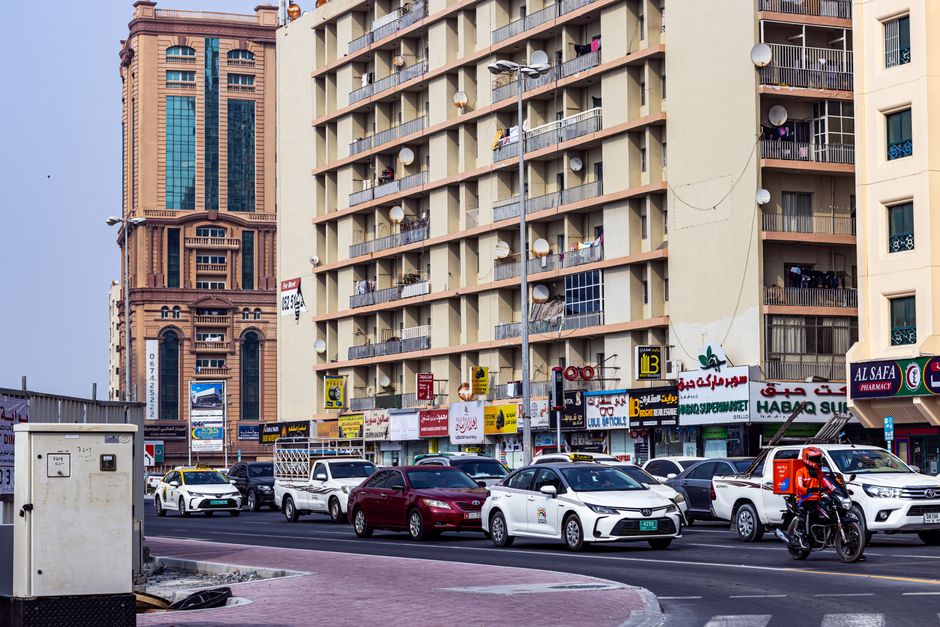
Photo credit: Pexels — MAMADO UAE
This article is general information, not legal or tax advice. UAE rules, document requirements, and processing times can change by emirate, sponsor type, and individual circumstances. Confirm current requirements with the relevant authorities or qualified advisors before acting.