



UAE Residency Visa in 2026: Entry-to-Emirates ID Without the Backtracking
A realistic 2026 UAE residency path is less about “steps” and more about dependencies: entry status, medical, Emirates ID biometrics, tenancy, and bank KYC. This guide maps the order that reduces re-typing, re-attestations, and avoidable delays for workers, founders, and families.
Use your browser search or scroll to sections below.
09:10 — You take a number at an Amer center and realize the form in your email says one employer name, while your offer letter shows another legal entity. The typing desk asks which one will appear on the visa application, because they have to match the sponsor’s establishment card.
14:30 — The medical fitness appointment is available, but the only slot is in a different emirate than the one on your entry permit. Someone mentions it usually still works, but “sometimes the system rejects it.” You decide not to guess, because redoing the medical is the sort of delay that ruins a school registration deadline and a lease start date.
Pick your visa route by what you must do in the first 30 days
Route decision criteria that actually affects timelines
Most 2026 visa “updates” matter less than a simple reality: your visa route controls what you can do first (sign a lease, onboard to payroll, sponsor family, open a bank account) and what you can only do after Emirates ID is issued.
Before you pick a route, write down your non-negotiables for the first month. That list often points to the sponsor type you need more clearly than marketing names like “investor” or “remote work.”
- If you need payroll quickly: employer-sponsored is usually the least ambiguous path, but HR/pro services speed varies widely
- If you need control over your visa (changing jobs, self-sponsored): a company setup route may fit, but bank and compliance steps can take longer
- If family needs to arrive fast: plan around who can sponsor dependents and when your salary/tenancy proof will exist
- If you will travel frequently: check whether your entry permit and in-country processing allow exits without disrupting steps
- If you need a tax residency narrative: align visa type with actual presence, home-country exit steps, and evidence you can collect
Trade-off: employer-sponsored vs company-sponsored (founder route)
Employer-sponsored residency can be smoother for the visa itself, but you depend on HR/pro services for corrections, cancellations, and timing. Company-sponsored residency gives you control, but you inherit compliance tasks (licence renewals, establishment card, immigration file updates) and bank KYC scrutiny.
Who it fits: employer-sponsored often suits employees who do not need to sponsor multiple dependents immediately. Company-sponsored often suits founders and consultants who need continuity through job changes, and who can tolerate longer banking timelines.
- Employer-sponsored: faster onboarding when HR is organized, but less control if the employer delays cancellations/renewals
- Company-sponsored: more control, but you must maintain the company and handle document consistency across authorities and banks
- Both: Emirates ID timing becomes the bottleneck for many downstream tasks
Mini-case: the “wrong sponsor name” loop
A marketing manager arrived with an offer letter from a brand name, but the visa sponsor was a related entity with a different legal name. The Amer typing application used the offer letter name, the employer submitted the other entity name, and the file bounced for mismatch.
Fixing it was not hard, but it added a week: revised Arabic/English employment contract, re-typing, and a new appointment slot. The avoidable part was not asking for the sponsor’s exact legal name on day one.
- Ask for the sponsor’s legal entity name and licence details before any typing starts
- Ensure your job title is consistent across offer letter, contract, and application
- Keep a single folder of “final” PDFs to avoid sending mixed versions
What to prepare before you arrive (so you do not re-attest later)
Document pack to bring, even if someone tells you it is optional
Many delays in 2026 are not caused by new rules, but by missing proof when a bank, landlord, or family visa file asks for it unexpectedly. If you arrive with only a passport and a few PDFs, you may end up couriering originals back and forth for attestations.
Prepare for two tracks at once: residency processing and life admin (housing, school, banking). That is where secondary categories like housing and family planning become visa-critical.
- Passport with clear scan; keep copies of old passports if your name/spelling changed
- Birth and marriage certificates (originals), plus attestation where relevant for family sponsorship
- University degree certificate if your role or licence category may require it (common for skilled roles and some free zone setups)
- Proof of address history (recent utility/bank statement) for bank KYC and compliance checks
- A clean set of passport photos meeting UAE size/background expectations (studios in UAE are fine, but consistency helps)
- If you have kids: latest school reports and vaccination records to avoid last-minute school admin pressure
Name and identity consistency checks (quiet source of rework)
Authorities, banks, and landlords often compare your name across passport MRZ, entry permit, Emirates ID, and tenancy contract. Small differences like middle name placement or an extra space can trigger requests for clarification.
Pick one standard spelling based on your passport, then push every party to use it: HR, pro services, landlord, and bank.
- Confirm the spelling that will appear on the residence permit and Emirates ID before medical/biometrics
- If your passport includes a middle name, decide whether it must appear on contracts and tenancy documents
- Keep a short “name note” in writing you can paste into emails to reduce back-and-forth
The in-country sequence: where timelines slip in real life
A dependency-first order of tasks
Most people try to do everything at once, then get blocked because a downstream step needs Emirates ID or a stamped residence visa. A dependency-first plan reduces wasted appointments.
The exact order varies by emirate and sponsor, but the logic is stable: open the immigration file correctly, complete medical and biometrics as scheduled, then use Emirates ID for everything that demands it.
- Confirm your entry status and sponsor file is active before booking medical
- Do medical fitness test, then Emirates ID biometrics as soon as appointments allow
- Track the residence stamping/status update; do not assume it is done because someone said “submitted”
- Only then push hard on bank account opening, long-term tenancy, and dependent visas
Common failure points (and what usually fixes them)
Backtracking usually happens because one document was typed from an old template, or because someone guessed the emirate-specific rule. Small errors create big delays because you wait for new slots.
Treat every submission as a “first-time right” moment: check sponsor details, passport details, and required attachments before pressing send.
- Mismatch in employer/sponsor legal name: re-type application and re-submit with correct licence details
- Medical done in the wrong place or wrong file linkage: confirm the file number and emirate before attending
- Photos rejected (background/size): use a UAE studio familiar with Emirates ID requirements
- Insurance not aligned with sponsor or visa category (where relevant): ask for a certificate that matches your ID details
- Overstay or status confusion after entry: clarify status change requirements immediately rather than waiting for “system updates”
How housing and bank KYC become visa-timing problems
Housing in Dubai is not just a lifestyle choice, it is a paperwork dependency. Landlords may ask for Emirates ID, post-dated cheques, and sometimes proof of employment, all of which are harder before your visa is fully issued.
Banks in 2026 are still cautious. Even after you have Emirates ID, KYC questions can pause account opening until you provide source-of-funds evidence, invoices, or an employment letter that matches the sponsor on your visa.
- If you need a lease fast: consider short-term serviced accommodation while Emirates ID is in progress
- For bank KYC: bring proof of income/source of funds, and keep corporate documents ready if you are self-sponsored
- Avoid signing long commitments based on “it should be ready next week”; build buffers for appointment availability
Family sponsorship in 2026: plan around attestations and proof
When dependents can start (and what sponsors overlook)
Family visas often stall not because the relationship is unclear, but because the proof is not in the right form. Attestation standards and document formats create friction, especially when names differ across passports and certificates.
In practice, many sponsors only discover the missing piece after the main applicant’s Emirates ID is issued, when they are already trying to meet a school start date or a tenancy move-in date.
- Have attested marriage/birth certificates ready before you arrive when possible
- Expect requests for salary certificate/employment contract and tenancy evidence depending on the case
- If a parent’s name differs (spelling, order): prepare supporting affidavits or clarifications early
Trade-off: bring family immediately vs stage the move
Bringing everyone immediately reduces time apart but increases pressure: you may be processing visas while also handling housing, school admissions, and daily logistics. Staging the move can reduce stress, but it means repeat flights and temporary living costs.
Who it fits: immediate moves suit families with flexible school timing and a temporary housing budget. Staged moves suit families with strict documentation needs (attestations, custody documents) and those who want the main applicant fully set up first.
- Immediate: higher coordination load, but fewer transition periods
- Staged: cleaner paperwork sequence, but budget for temporary accommodation and extra travel
- Either way: treat school admissions as a timeline driver, not a “later” task
Build a “proof file” for renewals, banks, and tax questions
A practical proof file to maintain from week one
Even if you are not thinking about taxes yet, you will likely be asked to show evidence of residency for a bank, a landlord, or a home-country review. The easiest time to collect proof is while you are doing the process.
This is where visas intersects with tax and company compliance: consistent documents make future renewals and explanations less painful.
- Entry/exit records and flight confirmations where relevant
- Residence visa and Emirates ID copies (front/back) and renewal reminders
- Tenancy contract/Ejari and utility bills once active
- Employment contract or company ownership documents matching the sponsor on your visa
- Bank KYC submissions and any source-of-funds explanations you provided
Renewal and cancellation: the parts people forget to schedule
The friction tends to show up at the end, not the start. Cancellations can require coordination between employer, immigration file, and sometimes bank or landlord updates if you are switching sponsors.
Do not leave renewals to the final weeks. Appointment availability, medical timing, and sponsor responsiveness can create avoidable gaps.
- Set reminders 90 and 60 days before expiry for you and each dependent
- If changing jobs/sponsors: ask what happens to dependents and whether they must be paused or re-issued
- Keep copies of cancellation papers and status-change approvals for your records
Next steps
- Choose your sponsor route based on first-30-days constraints (housing, family timing, banking).
- Prepare your pre-arrival document pack and standardize your name spelling across every file.
- Create a single proof folder (visa, EID, tenancy, income) and update it monthly.
FAQ
Do I need my Emirates ID before I can rent a long-term apartment in Dubai?
Often yes, or at least you will find the process easier with Emirates ID. Many landlords and agents expect Emirates ID for the tenancy contract and Ejari, and they may also ask for proof of employment and post-dated cheques. A common workaround is short-term accommodation for 2–6 weeks while your Emirates ID is issued, then you sign a longer lease once your paperwork and bank account are more stable.
What documents are most likely to trigger a re-submission in the visa process?
The most common triggers are inconsistencies rather than “missing” documents: sponsor legal name mismatches, name spelling differences across forms, and incorrect or outdated attachments. If you want to reduce rework, lock one “final” set of PDFs and confirm the sponsor entity name exactly as it appears on their licence before any typing or submission.
Can I open a UAE bank account right after my residence visa is approved?
Sometimes, but many banks still treat Emirates ID as the practical starting point, and they may request additional KYC evidence even after you have it. Expect questions on source of funds, employer details, or business activity if you are self-sponsored. To improve odds, arrive with address history documents and clear income proof, and keep your sponsor details consistent across your visa, employment letter, and any company documents.
How long does the in-country process take in 2026 from entry to Emirates ID?
It varies by sponsor efficiency, appointment availability, and emirate workflows. A smooth case can move quickly, but delays of a few weeks are common when medical/biometrics slots are limited or when applications need correction. Plan your housing, school, and travel assuming there may be slippage, and avoid committing to fixed dates based solely on informal estimates.
Do I need attested marriage and birth certificates for family sponsorship?
In many cases, yes, and the friction is usually about the formality level: attestations, translations, and consistent names. If you wait until you are already in the UAE, you may lose time arranging attestations through your home country processes. If you have any name differences across passports and certificates, gather supporting documents early so you are not troubleshooting under a school deadline.
If I switch jobs or sponsors, what happens to my dependents’ visas?
It depends on timing and how the cancellation and new issuance are handled. In some cases, dependents can be maintained or transferred with the right sequencing, but in other cases they may need to be cancelled and re-issued. Before you resign or cancel anything, get a written plan from the party handling immigration so you do not accidentally create a gap that affects school access, insurance, or travel.
Does a UAE residence visa automatically make me a tax resident?
Not automatically. A residence visa is part of the picture, but tax residency is usually about actual presence, ties, and the rules of the country asking the question. If you expect scrutiny, build a proof file from week one: tenancy/Ejari, utility bills, entry/exit records, and consistent employment or business documentation.
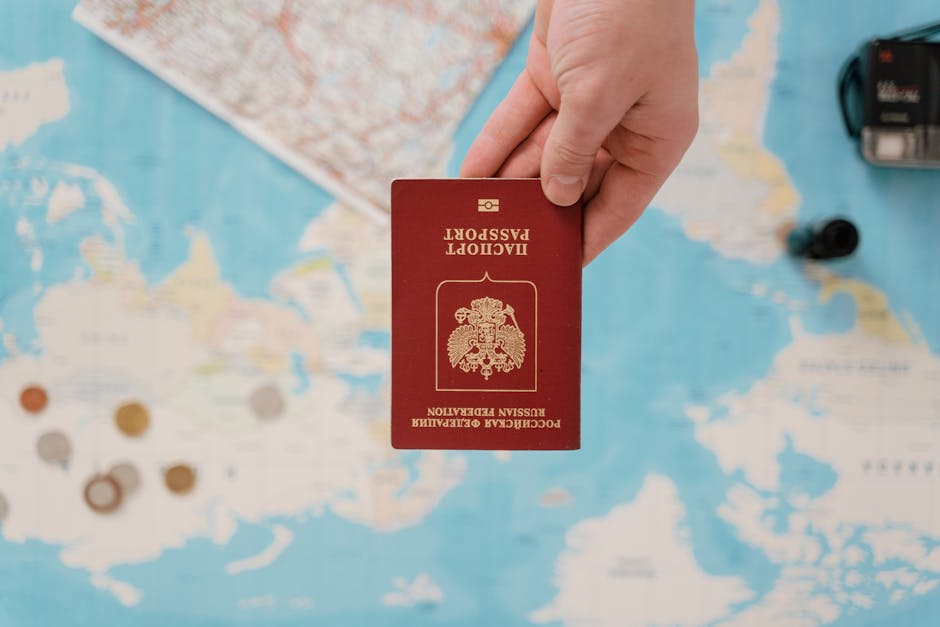
Photo credit: Pexels — Tima Miroshnichenko
This article is general information, not legal or immigration advice. UAE immigration processes, required documents, and timelines can change and can differ by emirate, sponsor type, and individual circumstances. Always confirm requirements with the relevant UAE authority or your licensed PRO/immigration adviser before submitting applications.